Albanian Food, Wine & Culture: A Personal Guide to One of Europe's Most Surprising Culinary Destinations
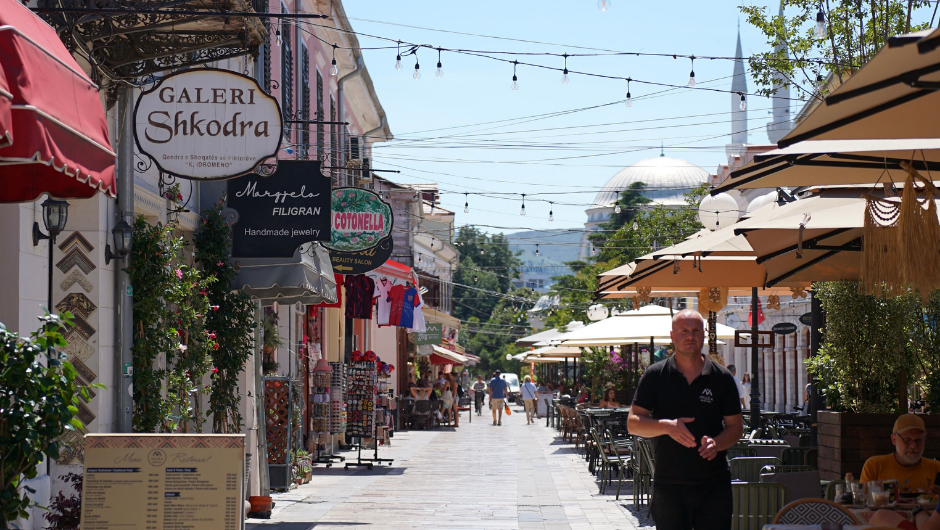
If I told you there was a European country with extraordinary food rooted in ancient tradition, indigenous wine varieties that almost nobody outside the country has heard of, a cultural code of hospitality so deeply held that strangers invite you into their homes without a second thought — and that almost no Australian travellers have discovered it yet — you'd want to know which country it is.
It's Albania. And I've been there. And the food alone is worth the flight.
I'm Michelle Bandura from Travellers Lounge, and in this post I want to take you deep into Albanian food, wine, and the extraordinary cultural context that makes every meal here feel like more than just eating. In Albania, food is connection. It is generosity. It is the living expression of a culture that has survived extraordinary pressures and emerged with its essential warmth entirely intact.
The Albanian Table — Generous, Abundant, Unhurried
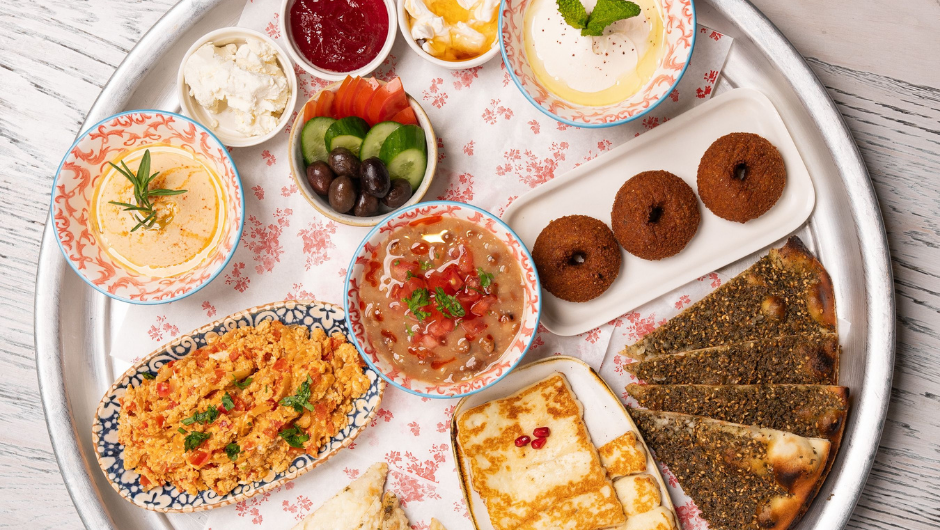
The first thing you notice about eating in Albania is the abundance. A table in Albania is never sparse. Even a simple lunch stretches across multiple dishes — little plates of olives, pickled vegetables, white cheese, roasted peppers, bread, dips — arriving before you've even ordered. This is the mezze tradition at its most generous, shaped by centuries of Ottoman influence and the Albanian belief that a guest must never feel anything other than completely welcomed and nourished.
Meals in Albania are not rushed. They are events. A dinner in a good Albanian restaurant will unfold over hours, with dishes arriving in waves, conversation flowing between courses, and the feeling that the evening itself is the destination rather than simply fuel before the next activity. As an Australian traveller accustomed to European service culture, this unhurried pace is something to lean into rather than resist. It is one of the most pleasurable aspects of eating in this country.
Essential Albanian Dishes
Byrek
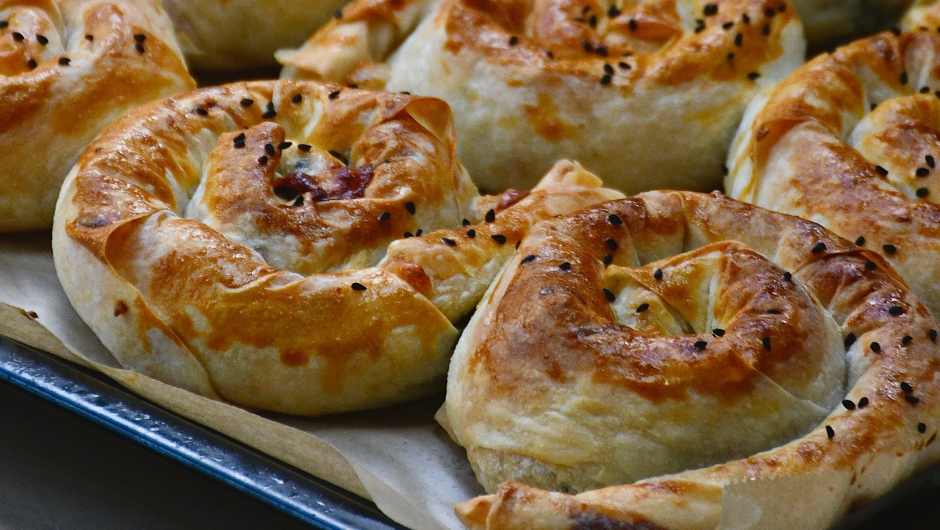
Byrek is Albania's great contribution to the world of pastry — a flaky, paper-thin filo pie filled with a variety of ingredients and baked until golden and crisp. The most traditional fillings are gjizë (fresh white cheese) and spinach, though you'll also find byrek filled with minced meat, leeks, or tomato. In every Albanian town, there is a byrek shop open from early morning, and buying a warm, just-baked slice for breakfast is one of those simple pleasures that I think about long after returning home.
Tave Kosi
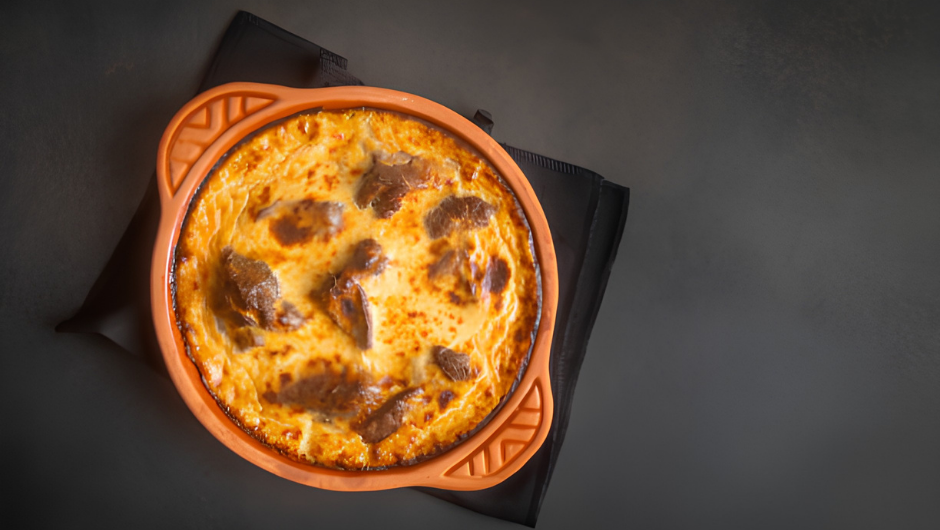
Tave kosi is arguably Albania's national dish — slow-baked lamb in a sauce of yoghurt, eggs, and rice, cooked until the top is golden and slightly set and the lamb beneath is falling-tender. It is comfort food in the most elemental sense, rich and savoury and deeply satisfying. Every Albanian family has their version. Every restaurant in Berat claims theirs is the best. They are all, in their own way, correct.
Fërgësë
Fërgësë is a dish of roasted peppers, tomatoes, and cottage cheese cooked together in a skillet until thick and bubbling — earthy, slightly sweet, and completely irresistible scooped onto bread. It is particularly associated with Tirana and the central region, and it is one of those dishes that seems simple until you taste it and realise how perfectly balanced it is.
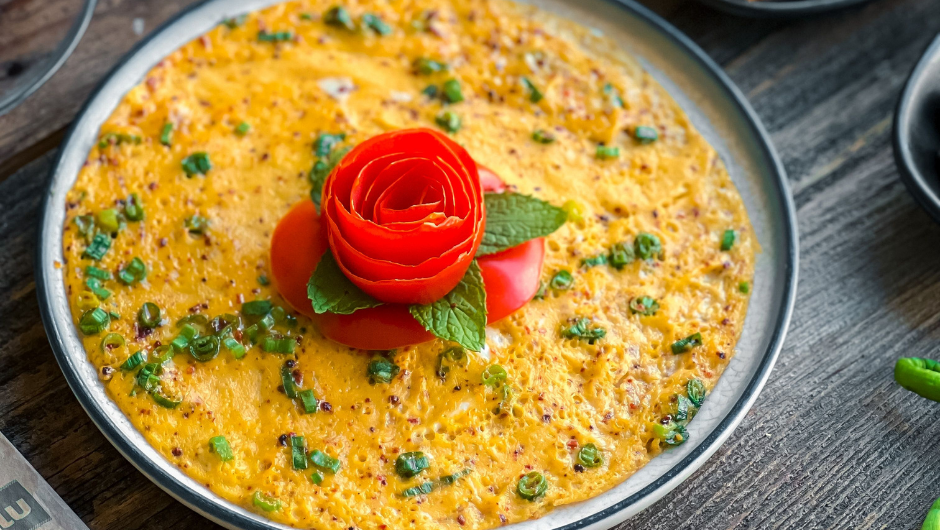
Grilled Meats and Coastal Seafood
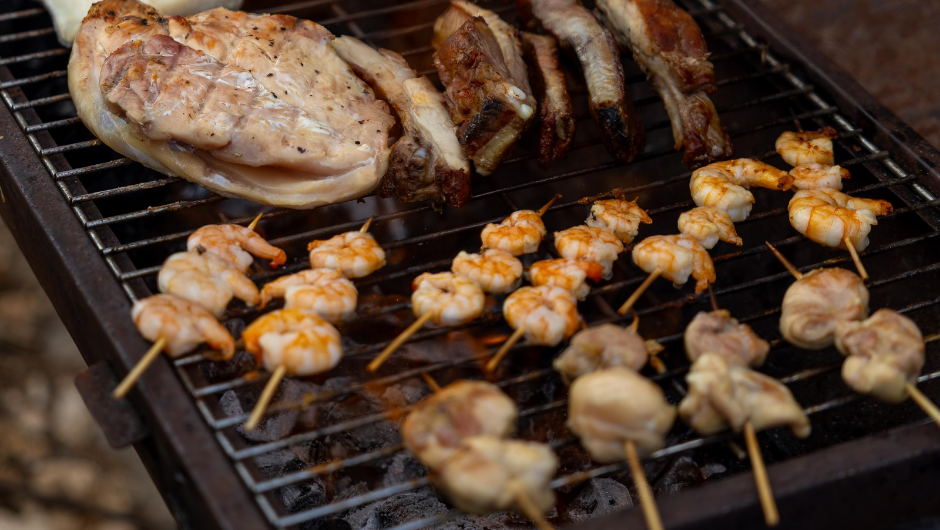
Albania's grilling culture is exceptional — qofte (spiced minced meat patties), lamb chops, and whole roasted suckling pig are staples of the interior. On the coast, the seafood is outstanding: grilled octopus, fresh mussels, sea bream and bass cooked simply with olive oil and lemon. The Albanian Riviera's fish restaurants — many of them family-run, right on the water — serve some of the finest and most reasonably priced seafood I've encountered anywhere in the Mediterranean.
Petulla and Lakror
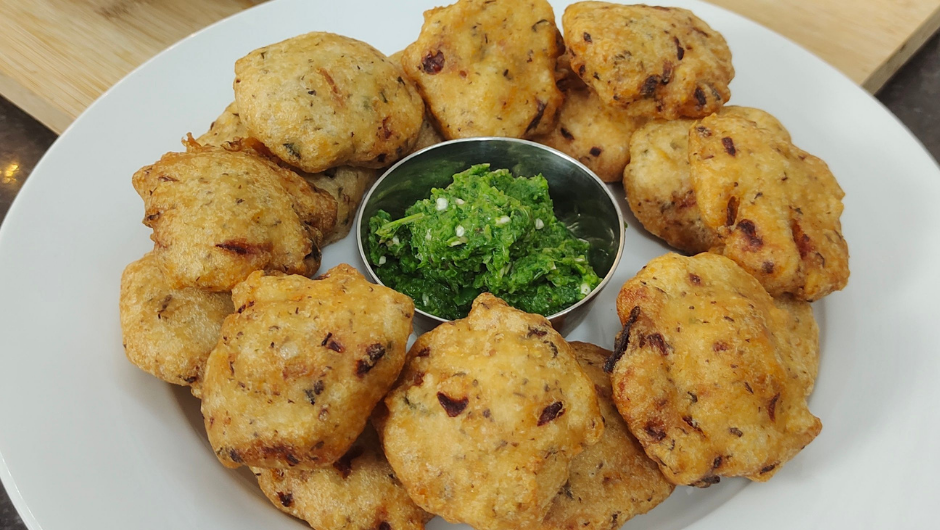
Petulla are deep-fried dough balls served with feta or jam — a breakfast or snack that sounds simple and tastes wonderful. Lakror is a regional speciality from the south — a layered pie of cornmeal and various fillings, baked slowly until crisp and dense. It is very much the kind of dish you discover by wandering into a local restaurant and asking what they recommend, which is always the right approach in Albania.
Albanian Wine — Indigenous Varieties That Will Surprise You
Albanian wine has undergone a quiet revolution in the past two decades, and the result is a wine culture built on indigenous grape varieties that are almost entirely unknown to the outside world — and entirely worth discovering.
Shesh i Zi — The Flagship Red
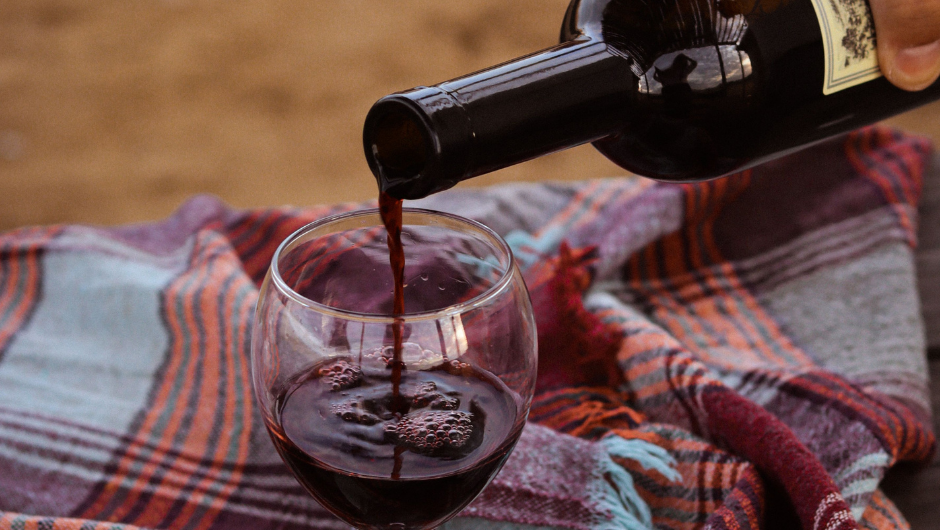
Shesh i Zi (literally 'black grape of the plain') is Albania's most important indigenous red variety — producing wines of deep colour, ripe dark fruit, good structure, and a character that is unmistakably its own. At its best, Shesh i Zi reminds me of a combination of Montepulciano and Malbec, with a distinctive earthiness that speaks of the Albanian soil it comes from. The Cobo Winery in the Berat region is producing some of the finest examples, and a visit to the winery is a wonderful addition to any southern Albania itinerary.
Kallmet — The Northern Red
Kallmet is a red variety grown primarily in the Shkodër region of northern Albania, producing wines with higher acidity, lighter colour, and a elegance that sets it apart from the richer Shesh i Zi. It is sometimes compared to Pinot Noir in structure, though its character is entirely its own. Production is small and most Kallmet never leaves Albania — which makes drinking it in situ feel like a genuine privilege.
Shesh i Bardhë — The White
Shesh i Bardhë ('white grape of the plain') is the principal indigenous white variety — producing fresh, aromatic whites with good acidity and a floral character that pairs beautifully with the coastal seafood of the Albanian Riviera. Chilled, on a terrace above the sea in Himara, with a plate of grilled fish — this is one of the finer simple pleasures European travel can offer.
Raki — The National Spirit
No discussion of Albanian drinking culture is complete without raki — the clear grape or mulberry spirit that functions as both welcome and farewell in Albanian social life. Raki is served at room temperature in small glasses, and refusing it is generally considered impolite. It ranges from rough and fiery to surprisingly smooth and complex, and the homemade varieties you encounter in family restaurants or private homes are often the most interesting. Drink it slowly, with something to eat, and embrace what it represents: the Albanian spirit of generosity and connection.
Albanian Cultural Values — Understanding Besa and Kanun
To understand Albanian hospitality, you need to understand besa — one of the most important concepts in Albanian cultural life. Besa is a code of honour with roots going back centuries, and one of its central tenets is the absolute obligation to welcome, protect, and care for a guest. In traditional Albanian culture, a guest in your home was sacred — to be fed, housed, and protected regardless of cost or inconvenience.
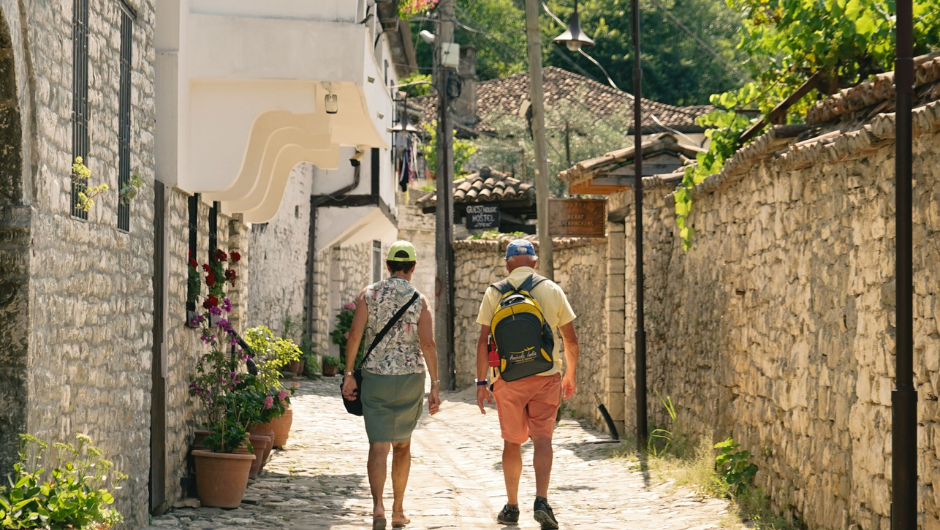
This is not a historical curiosity. It is alive in the way Albanians interact with visitors today. You will experience it in restaurants where extra dishes appear unbidden. In strangers who stop to help you read a map. In the genuine warmth with which questions about your visit are received. Albania is one of those rare places where the welcome is not performative — it is cultural DNA.
The Kanun of Lekë Dukagjini — the ancient Albanian customary law that governed social behaviour for centuries — is another fascinating lens through which to understand Albanian culture, particularly in the northern highlands where its influence persists most strongly. Reading about it before you visit adds a layer of depth to encounters that might otherwise seem puzzling.
Music, Arts and Contemporary Culture
Albanian culture has a rich tradition of polyphonic music — a UNESCO-recognised form of traditional vocal music from the south of the country, where multiple voices weave together in harmonies of extraordinary complexity and beauty. Hearing it performed live, in a village in the Gjirokastër region, is one of those travel experiences that is genuinely impossible to replicate on Spotify.
Tirana's contemporary culture scene has exploded in the past decade — galleries, independent cinemas, street art, a thriving live music scene, and a café culture that rivals any capital in Europe. The city is young — the average age of Tirana's population is strikingly low — and the energy that comes from that youth is infectious. An evening walking between the rooftop bars of Blloku and finishing dinner at one of the city's new-wave Albanian restaurants is as good as city travel gets.
Best Areas for Food and Wine Tourism in Albania
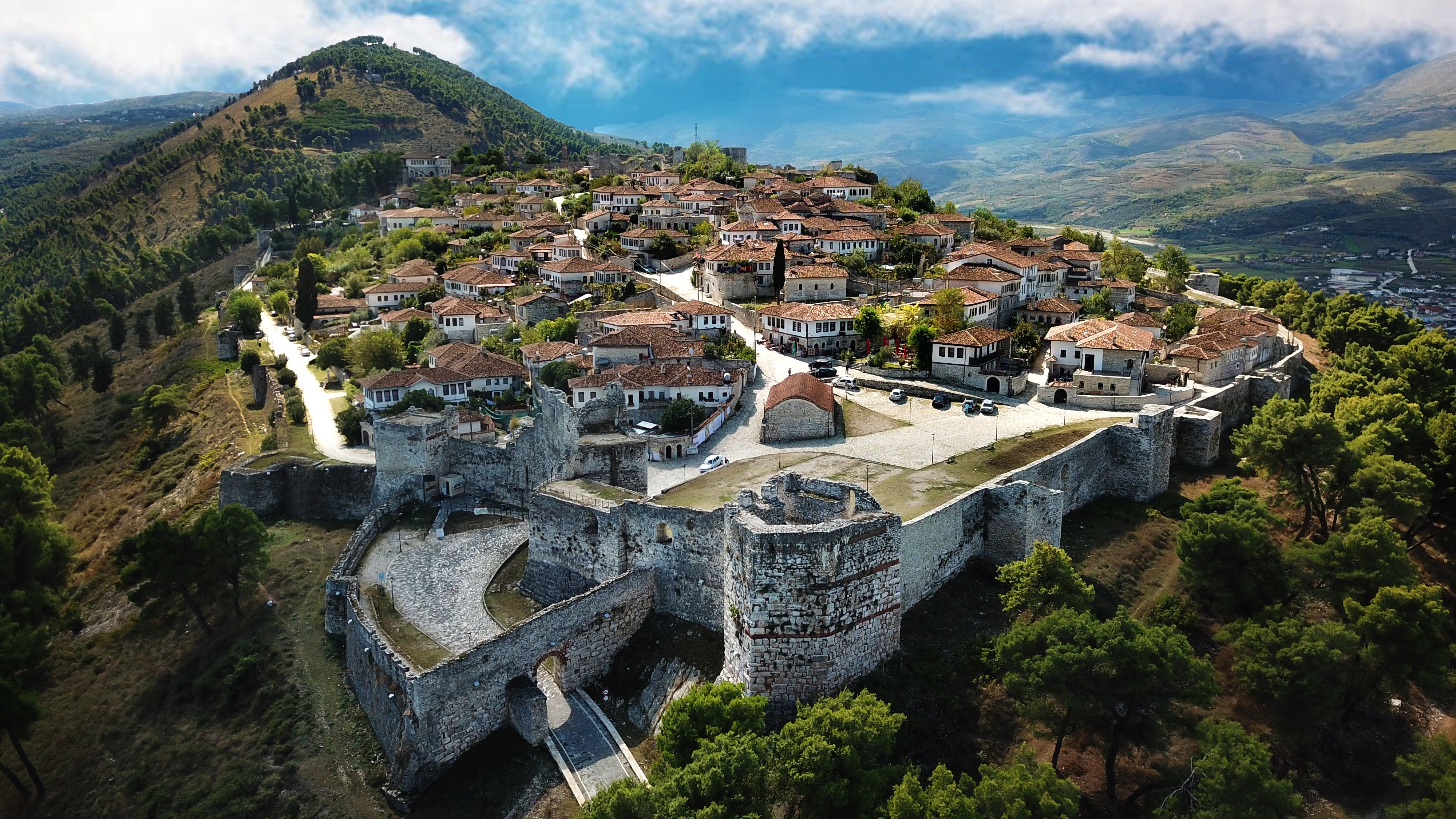
Berat region: The spiritual home of Albanian wine, with several excellent wineries, exceptional traditional restaurants, and the UNESCO old city as a backdrop. Stay two nights minimum.
Tirana: The most diverse restaurant scene in the country, from traditional Albanian to excellent Italian (the Italian influence is strong throughout Albania), contemporary European, and the city's growing craft beer scene.
The Albanian Riviera: Sarandë and Himara offer the finest seafood, the best Albanian white wines chilled to perfection, and the incomparable setting of the Ionian coast.
Gjirokastër: Traditional southern Albanian cooking at its most authentic — slow-cooked meats, excellent dairy, and the stone-walled restaurants of the old bazaar that feel completely unchanged by time.
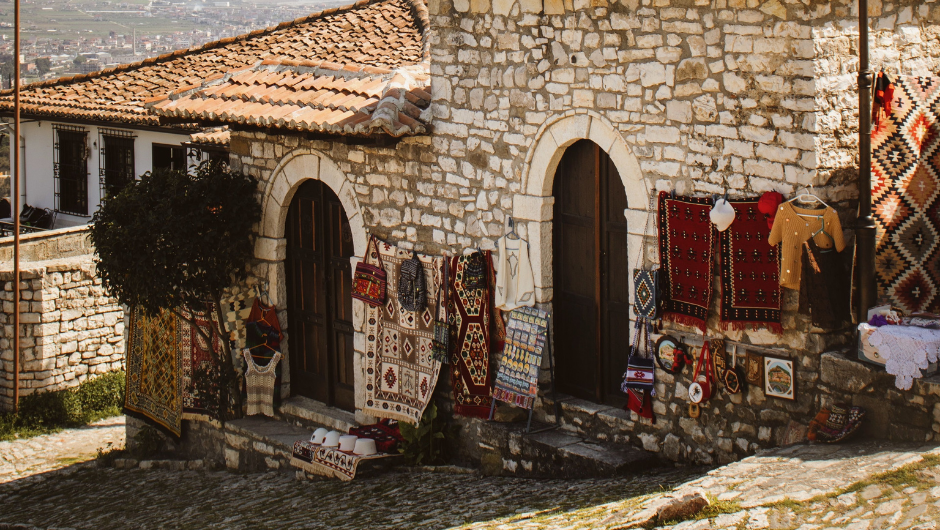
Tirana: The most diverse restaurant scene in the country, from traditional Albanian to excellent Italian (the Italian influence is strong throughout Albania), contemporary European, and the city's growing craft beer scene.
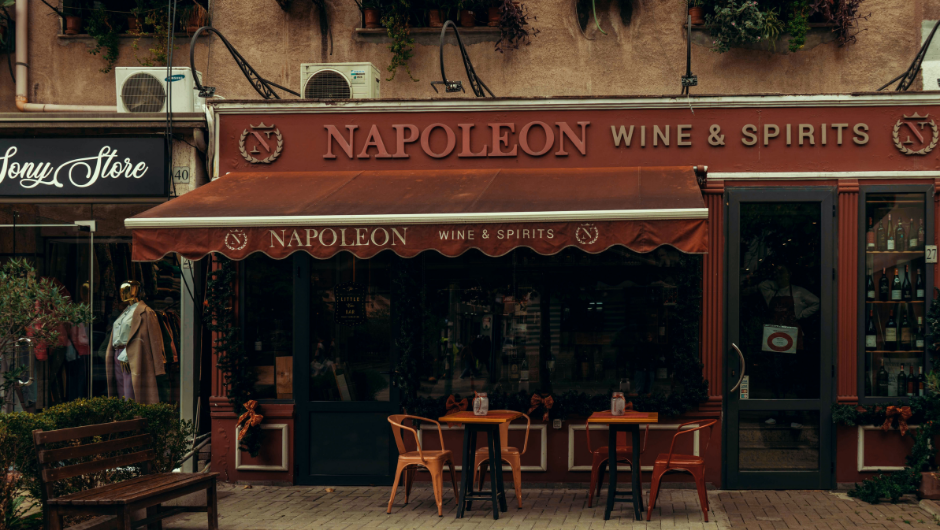
Gjirokastër: Traditional southern Albanian cooking at its most authentic — slow-cooked meats, excellent dairy, and the stone-walled restaurants of the old bazaar that feel completely unchanged by time.
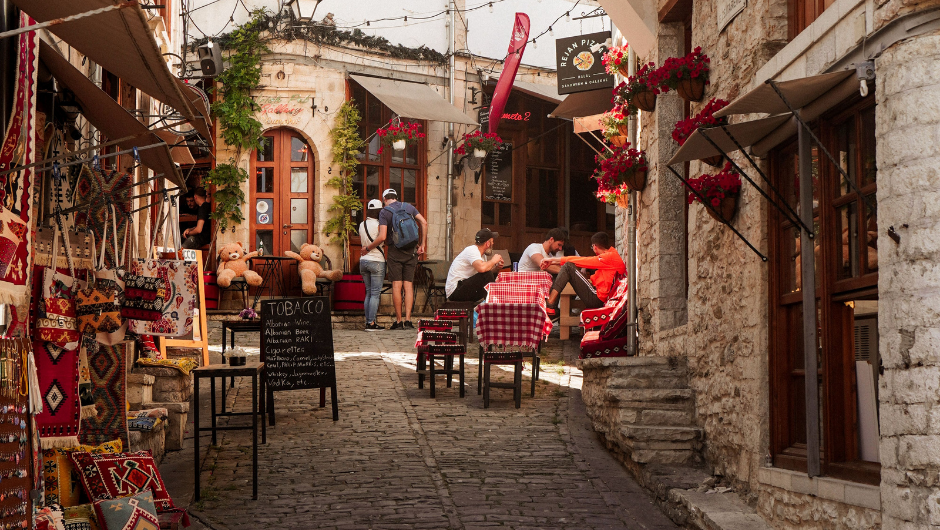
Planning a Food and Culture Trip to Albania
A dedicated food and culture itinerary through Albania works beautifully over 10 to 14 days — Tirana for two nights, Berat and the winery region for two nights, south to Gjirokastër for two nights, then along the Riviera to Sarandë and Ksamil for the final stretch. It is a trip I would take again immediately.
Book a free consultation with me today — Albania's food and culture is one of the great European travel discoveries — and I'd love to help you plan every meal of it.