
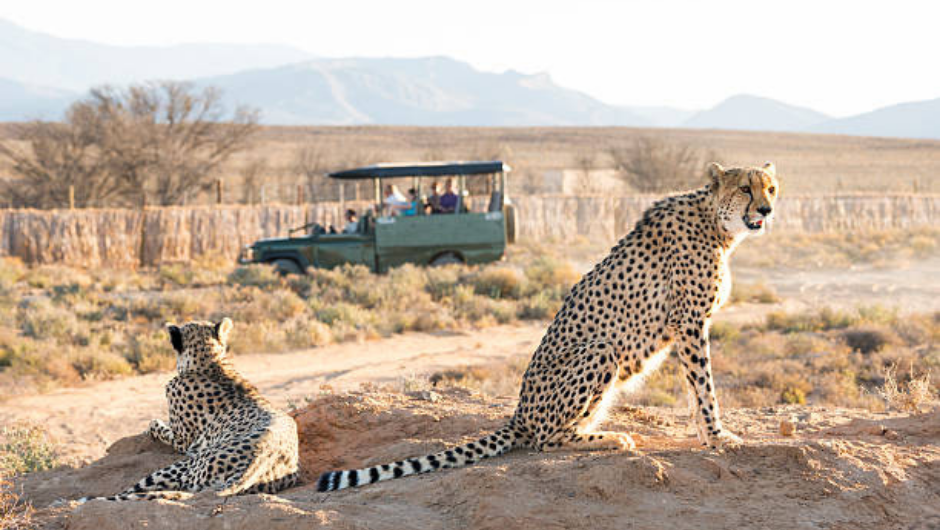
South Africa remains one of the most complete travel destinations we book for Australian clients — a country where you can track a leopard through Sabi Sands in the morning, taste world-class Cabernet in Franschhoek two days later, and finish with a coastal drive along the Garden Route that rivals anything on our own east coast. Direct flight options from Perth make it one of the more accessible African destinations for Australians too.
This guide covers each major region in detail, practical logistics for Australian travellers, and a full sample itinerary linking safari, city and coastline into one well-paced trip.
Kruger National Park & Private Game Reserves
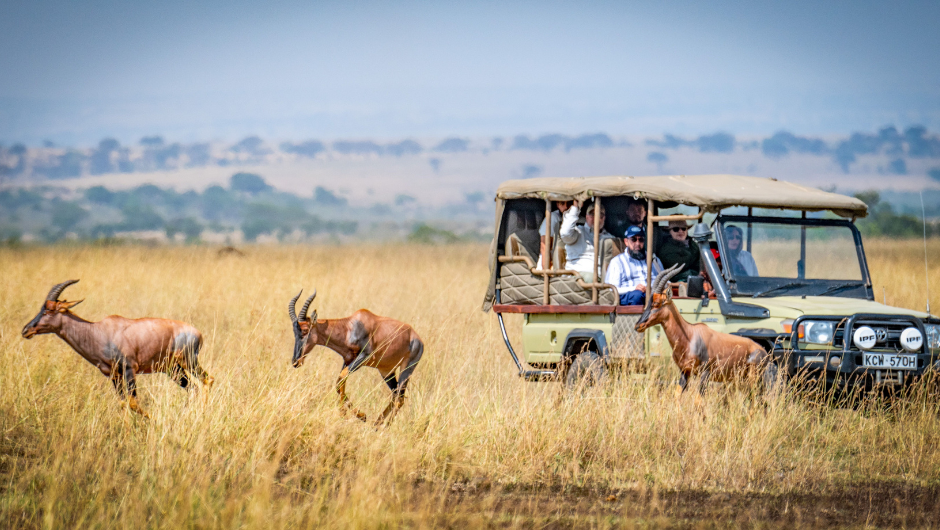
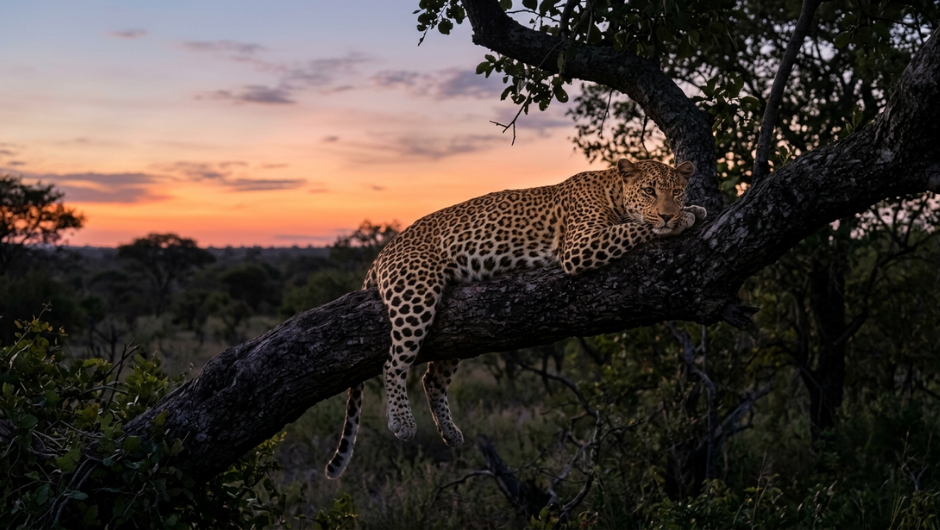
Kruger itself is vast and self-drive friendly, but for our clients we almost always recommend the private reserves that border it — Sabi Sands, Timbavati and Manyeleti — where unfenced boundaries allow game to move freely and lodges are permitted to drive off-road, getting significantly closer to sightings than public Kruger allows.
● Sabi Sands: the most reliable leopard sightings in Africa, plus long-established luxury lodges
● Timbavati: excellent Big Five viewing at generally lower rates than Sabi Sands
● Manyeleti: a quieter, less-visited reserve for travellers wanting fewer vehicles at sightings
Most private reserve lodges run two game drives daily, at dawn and dusk, with an experienced ranger and tracker team working together, often communicating with other vehicles in the reserve to maximise sightings across the property.
Cape Town & Table Mountain
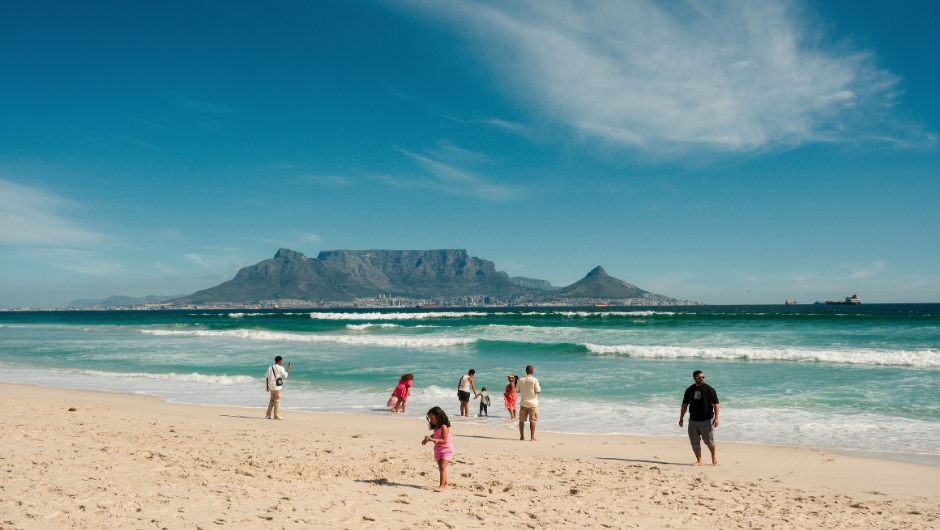
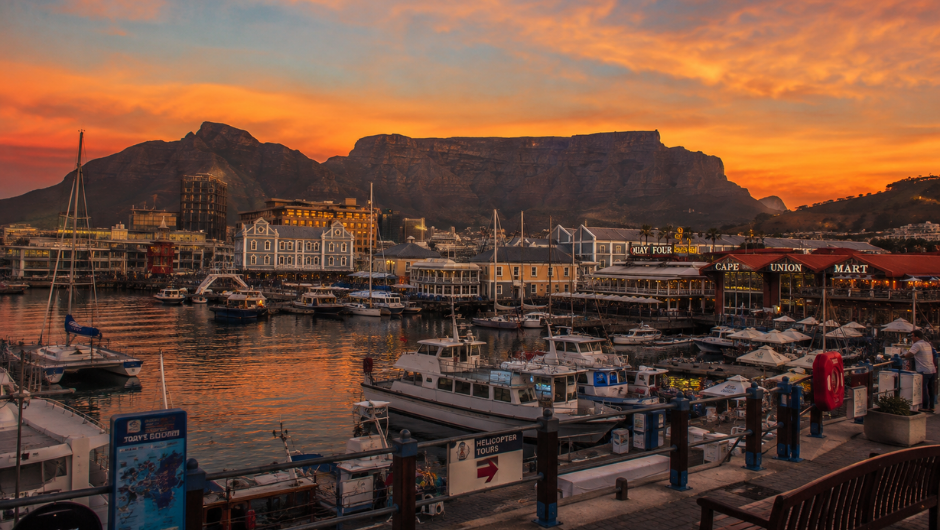
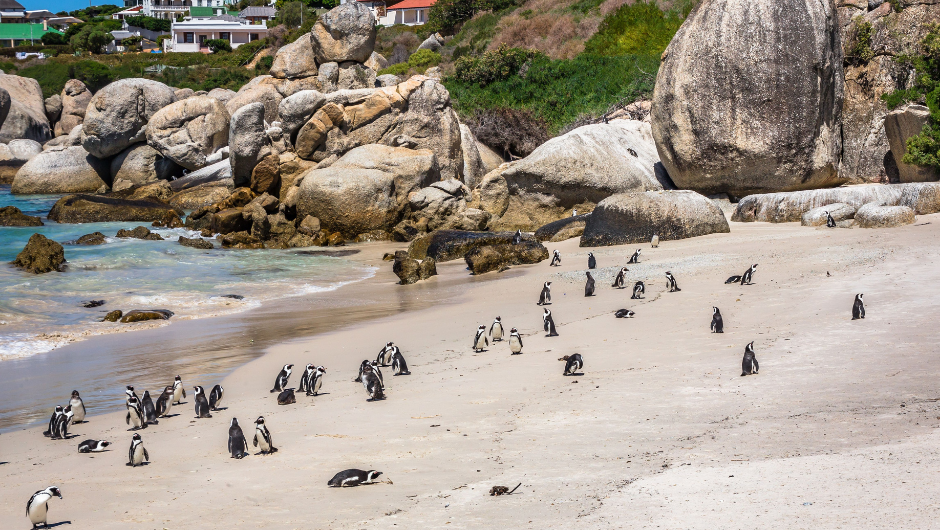
Cape Town anchors most South Africa itineraries, and for good reason — Table Mountain, the V&A Waterfront, Boulders Beach's penguin colony, and the drive out to Cape Point all sit within a day or two of each other. We typically recommend three to four nights in Cape Town to do the city and its surrounds justice without feeling rushed.
The Table Mountain cableway is weather-dependent and closes in high wind, so we recommend building a spare morning into your itinerary rather than scheduling it for your final day. Robben Island tours, the District Six Museum, and Bo-Kaap's colourful streets are worthwhile additions for travellers interested in the city's history.
Cape Winelands: Stellenbosch & Franschhoek
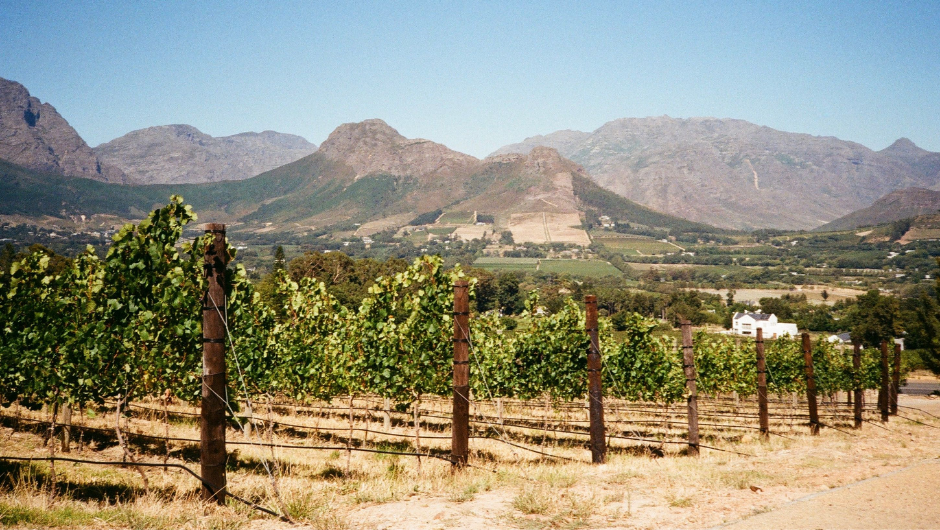
Forty-five minutes from Cape Town, Stellenbosch and Franschhoek offer some of the finest wine estates in the Southern Hemisphere, many with excellent restaurants attached. Franschhoek in particular has a strong food-and-wine identity and is easily explored via the hop-on wine tram or a private driver for a more relaxed day of tastings.
Stellenbosch, South Africa's second-oldest town, combines oak-lined Cape Dutch architecture with a genuine university-town energy, while Franschhoek leans more fine-dining and boutique. Many clients base themselves in one and day-trip to the other.
The Garden Route
Stretching from Mossel Bay to Storms River, the Garden Route is a self-drive classic — indigenous forests, dramatic coastline, and towns like Knysna and Plettenberg Bay that make excellent overnight stops. It suits clients who enjoy driving holidays and want to see a slower, more scenic side of South Africa outside the main safari and city circuit.
Highlights along the route include the Tsitsikamma section of Garden Route National Park for forest canopy walks and the Bloukrans Bridge (the world's highest commercial bungee jump), the Knysna Lagoon and its Heads viewpoint, and whale watching from Plettenberg Bay's clifftop paths between June and November.
For clients with additional time, the small town of Oudtshoorn, just inland from the coastal route, offers the Cango Caves (one of the world's great limestone cave systems) and a collection of ostrich farms open for tours, a genuinely different half-day detour from the coastal scenery that dominates the rest of the route.
Best Time to Visit & Flight Routes from Australia
May to September (South Africa's dry winter) is the best window for safari, with sparse vegetation making game easier to spot, though it coincides with cooler Cape Town weather. November to February suits travellers prioritising Cape Town and the Garden Route, with warm, dry summer conditions, though safari game viewing is slightly less concentrated due to abundant water and vegetation.
Perth offers the most direct routing to Johannesburg with a single stop via Singapore or the Middle East; Sydney and Melbourne travellers will typically connect once via Perth, Singapore, Doha or Dubai.
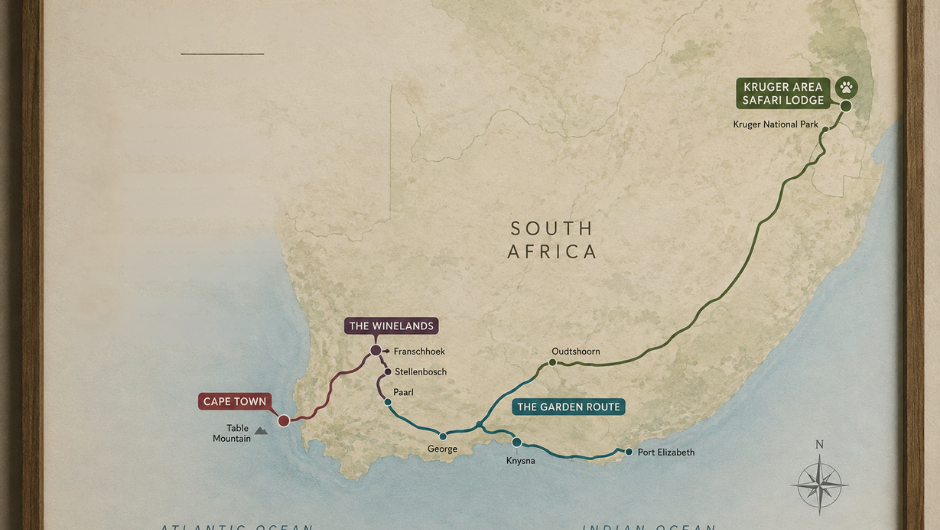
Sample Itinerary: 13 Days — Cape Town, Winelands, Garden Route & Safari
Day 1–4: Arrive Cape Town. Table Mountain, V&A Waterfront, Boulders Beach penguins, and a full day exploring Cape Point and the Atlantic Seaboard.
Day 5–6: Transfer to the Winelands. Overnight in Franschhoek or Stellenbosch with wine tastings and long lunches.
Day 7–9: Self-drive the Garden Route: Hermanus (whale watching, seasonal), Mossel Bay, Knysna and Plettenberg Bay.
Day 10: Fly from George or drive back to Cape Town to connect to a Kruger-area flight.
Day 11–13: Fly into a private reserve bordering Kruger (Sabi Sands or Timbavati) for three nights of game drives before departing for home via Johannesburg.
Flights from Australia in Detail
Perth remains the fastest gateway to South Africa, with a single-stop routing to Johannesburg via Singapore, the Middle East, or occasionally direct seasonal services, generally landing total travel time under 15 hours. Sydney and Melbourne travellers usually connect once, either through Perth or through a Middle Eastern or Asian hub such as Singapore, Doha or Dubai, with total journey times of 18–22 hours door to door.
Domestically, South Africa's flight network is excellent — Johannesburg to Cape Town is roughly two hours, and both cities connect efficiently by air to Kruger-area airports such as Skukuza, Hoedspruit or Nelspruit for onward safari transfers.
Where to Stay: A Region-by-Region Snapshot
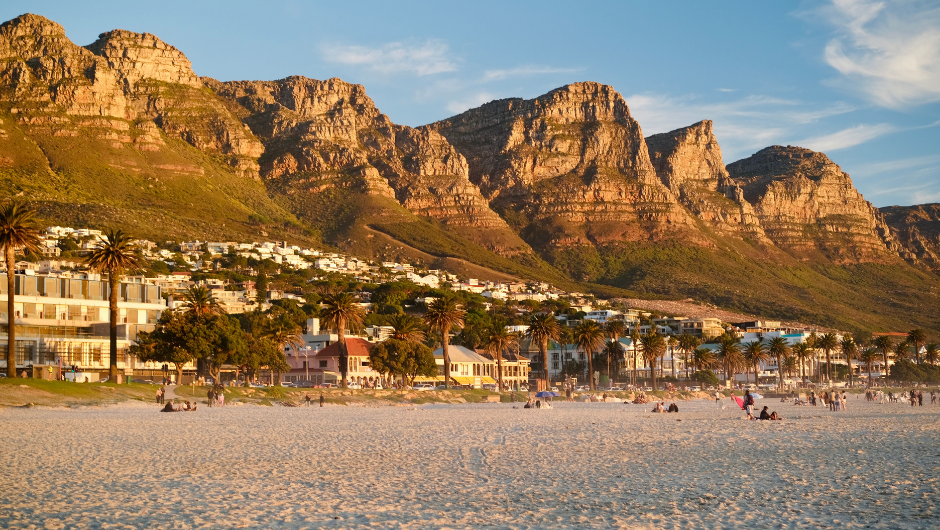
● Cape Town: base yourself in the City Bowl or Waterfront for walkability, or Camps Bay for beach proximity and sunset views
● Winelands: Franschhoek for a boutique, village feel; Stellenbosch for a livelier, larger-town base
● Garden Route: Knysna for the lagoon and easy access to forest activities; Plettenberg Bay for beaches and whale watching
● Kruger private reserves: Sabi Sands for the highest-end lodges and best leopard viewing; Timbavati or Manyeleti for excellent game viewing at a lower price point.
Sample Two-Week South Africa Highlights
● Table Mountain cableway and V&A Waterfront
● Boulders Beach African penguin colony
● Cape Point and the Cape of Good Hope
● Wine tasting in Stellenbosch or Franschhoek
● Knysna Lagoon and the Heads
● Big Five game drives in a Kruger-area private reserve
Beyond the Classics: Lesser-Known Additions
For travellers who have visited South Africa before or want to go beyond the standard circuit, a handful of regions reward the extra effort. The Cederberg, a few hours north of Cape Town, offers dramatic rock formations, ancient San rock art, and some of the country's best stargazing away from city light pollution. The Winelands' lesser-visited Swartland region produces increasingly acclaimed old-vine wines at a fraction of Stellenbosch's tourist traffic. And for clients wanting a second safari region beyond Kruger, Madikwe Game Reserve in the North West Province offers excellent malaria-free Big Five viewing within a shorter drive of Johannesburg than Kruger itself.
Food & Wine Highlights
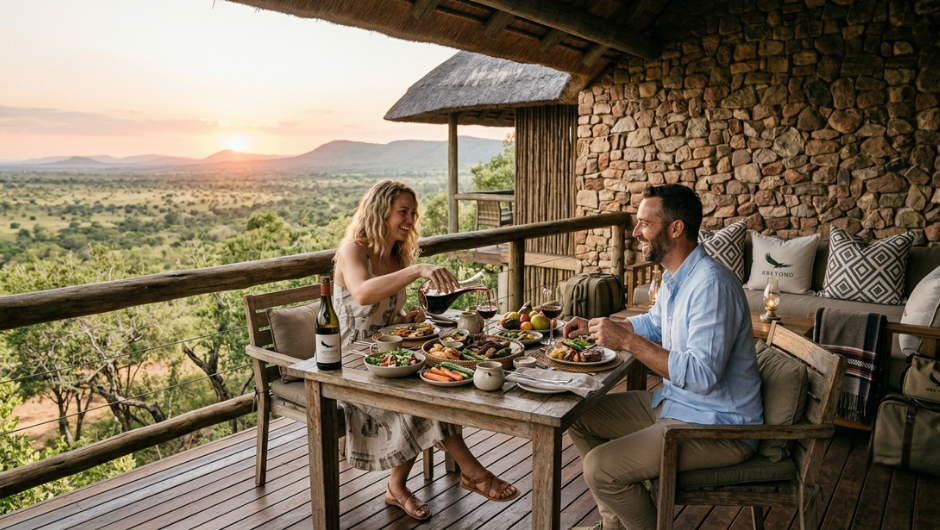
South Africa's dining scene is one of its most underrated draws for Australian travellers, particularly given the exchange rate advantage. Cape Town alone holds several restaurants regularly ranked among Africa's best, spanning contemporary Cape Malay cuisine, seafood sourced directly from the Atlantic coast, and fine-dining tasting menus that would command significantly higher prices at home. The Winelands go well beyond Cabernet and Chenin Blanc tastings — expect long, unhurried lunches at estate restaurants set among vineyards, often paired specifically with each course. Braai (South African barbecue) culture also runs deep, and a lodge-hosted bush braai under the stars is a highlight many clients rank alongside their best game drive.
A Note on Safety and Travel Practicalities
Like any major destination, South Africa's cities require the same common-sense precautions as travelling in any large city — avoiding displaying valuables, using hotel-arranged transport after dark, and staying within well-trafficked tourist areas. The Winelands, Garden Route and private game reserves are generally very low-risk environments, and the vast majority of our clients experience South Africa without incident when following standard travel precautions and using a reputable local ground operator.
What to Pack for South Africa
● Layers for Cape Town, where weather can shift quickly regardless of season
● Neutral-coloured safari wear for game drives, plus a warm layer for early morning drives
● Comfortable walking shoes for Table Mountain paths and Garden Route forest trails
● A reusable water bottle and sun protection — much of the Garden Route and safari time is spent outdoors
● A universal power adaptor, as South Africa uses a unique Type M plug
Why Plan This Trip With Travellers Lounge
A trip that spans Cape Town, the Winelands, the Garden Route and a private game reserve involves a lot of moving parts — domestic flights, self-drive routing, malaria zones to plan around, and knowing which lodge in Sabi Sands actually suits your budget and style. This is where we come in. At Travellers Lounge, we've built these itineraries many times over, and we take care of the pacing, the connections and the little details, like which nights genuinely need three, not two, so your trip flows the way it should. Reach out any time — we're always happy to talk through the options.
Frequently Asked Questions
Do Australians need a visa for South Africa?
No — Australian passport holders can visit South Africa visa-free for stays of up to 90 days, though a passport valid for at least 30 days beyond your departure date and at least two blank pages is required.
Is it safe to combine Cape Town, Winelands, Garden Route and safari in one trip?
Yes, this is one of the most popular itineraries we book. A typical two-week structure runs Cape Town (3–4 nights) – Winelands (2 nights) – Garden Route (2–3 nights, self-drive or fly back to Cape Town) – fly to a Kruger-area private reserve (3 nights).
Is malaria a risk in South Africa?
Kruger and the private reserves bordering it are malaria risk areas, particularly in summer months; Cape Town, the Winelands and the Garden Route are not. We recommend discussing prophylaxis with a travel doctor ahead of any Kruger-area safari.
Should I self-drive the Garden Route or book a guided transfer?
Self-driving is straightforward on well-maintained roads and gives the most flexibility for stopping at viewpoints and towns along the way. Clients less comfortable driving on the left-hand side or wanting a fully guided experience can arrange a private driver-guide instead.
How many days should a first-time South Africa trip allow?
We recommend a minimum of twelve to fourteen days to comfortably cover Cape Town, the Winelands, a short Garden Route stretch and a Kruger-area safari without feeling rushed. Shorter trips of seven to nine days work well if you narrow the focus to just Cape Town and one safari region.
Author, Michelle

Travel designer, storyteller, and lifelong explorer.
Michelle believes the best journeys are those that breathe — where adventure meets stillness, and moments of pause turn into lifelong memories.