
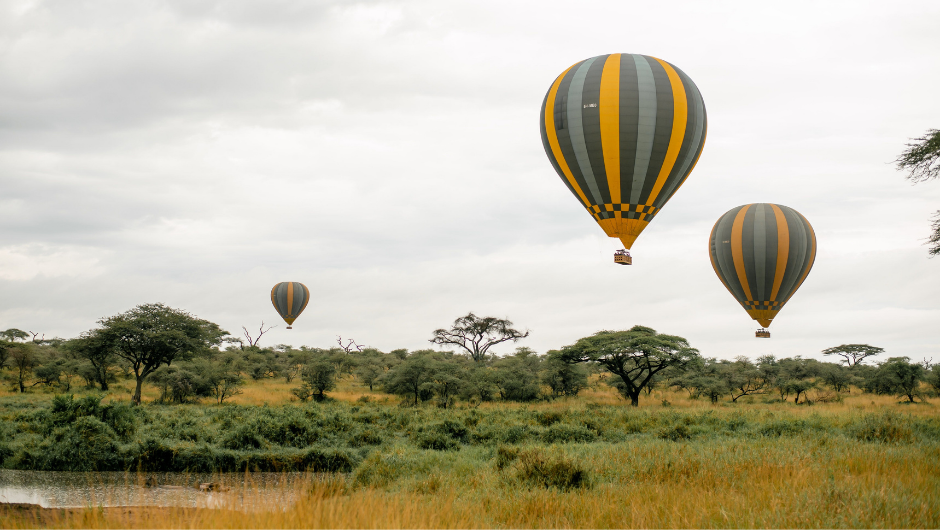
The Great Migration is the single most requested safari experience among our clients, and understandably so — nearly two million wildebeest, zebra and gazelle moving in a continuous, weather-driven loop between Tanzania's Serengeti and Kenya's Masai Mara, punctuated by dramatic Mara River crossings where crocodiles wait in the shallows. Timing this correctly is the difference between a good safari and the trip of a lifetime, so it's worth understanding the migration's pattern before booking.
What Is the Great Migration, Exactly?
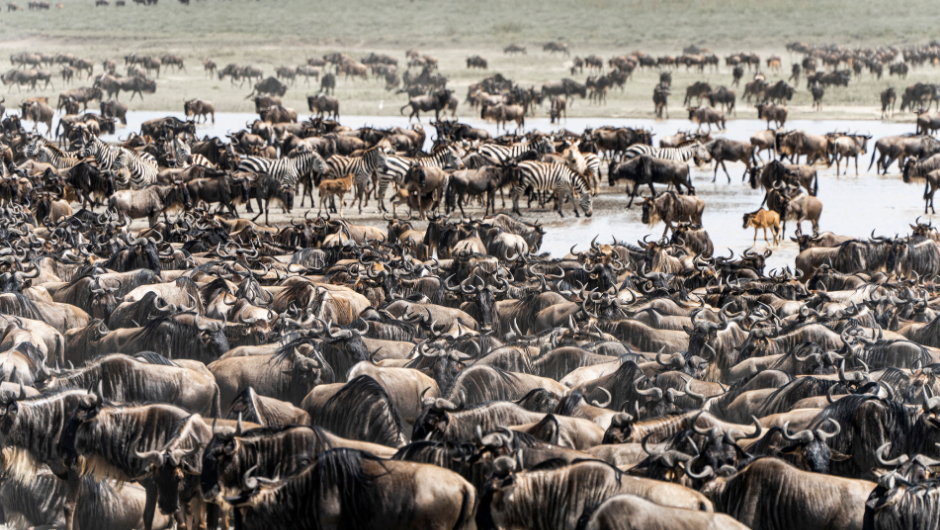
The migration isn't a single event but a year-round circular movement driven by rainfall and grass growth. Herds calve in the southern Serengeti between January and March, then move north and west through the Serengeti from April to June, cross into Kenya's Masai Mara from roughly July to October, and begin the return journey south from November onward. No two years follow the calendar exactly, since the herds respond to where rain has actually fallen, but this pattern holds broadly true.
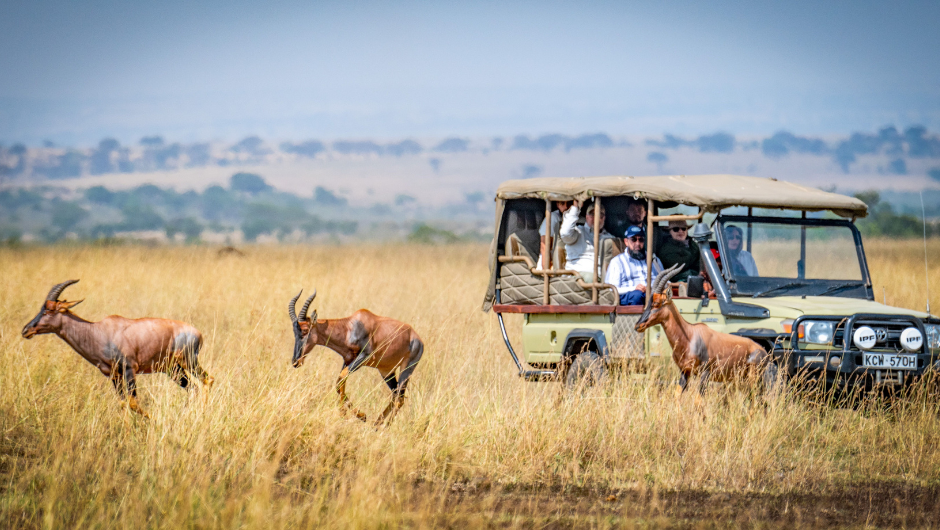
The scale is genuinely difficult to grasp until you see it in person: roughly 1.5 million wildebeest, several hundred thousand zebra, and hundreds of thousands of Thomson's and Grant's gazelle move as part of the same annual cycle, covering close to 800km over the course of a year in pursuit of fresh grazing.
Zebra typically lead the migration, grazing the taller, coarser grass and clearing the way for wildebeest to follow and feed on the shorter grass beneath, an example of the kind of interdependent ecological relationship guides are well placed to explain in the field and that adds real depth to what might otherwise look, from a distance, like simple chaos.
Serengeti, Tanzania — Month by Month
● January–March: Calving season in the southern Serengeti (Ndutu area) — up to 8,000 calves born daily at the peak, and outstanding predator action as calves attract lion, cheetah and hyena
● April–May: The long rains; herds begin moving north through the central Serengeti. Quieter for tourism, with lower rates
● June: Herds gather for the first river crossings at the Grumeti River in the western corridor
● July–October: Herds largely in the northern Serengeti and across into the Masai Mara for the famous Mara River crossings
● November–December: The short rains draw herds back south towards the calving grounds
Masai Mara, Kenya — The River Crossings
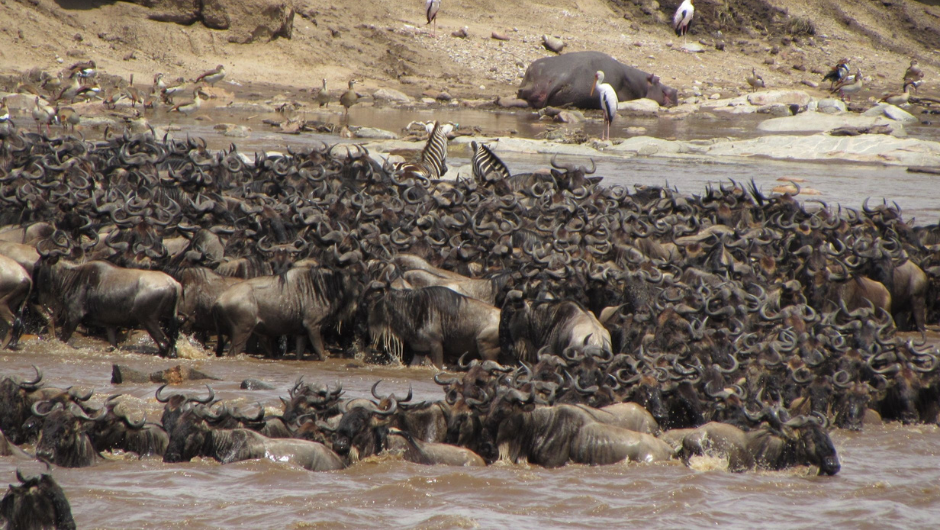
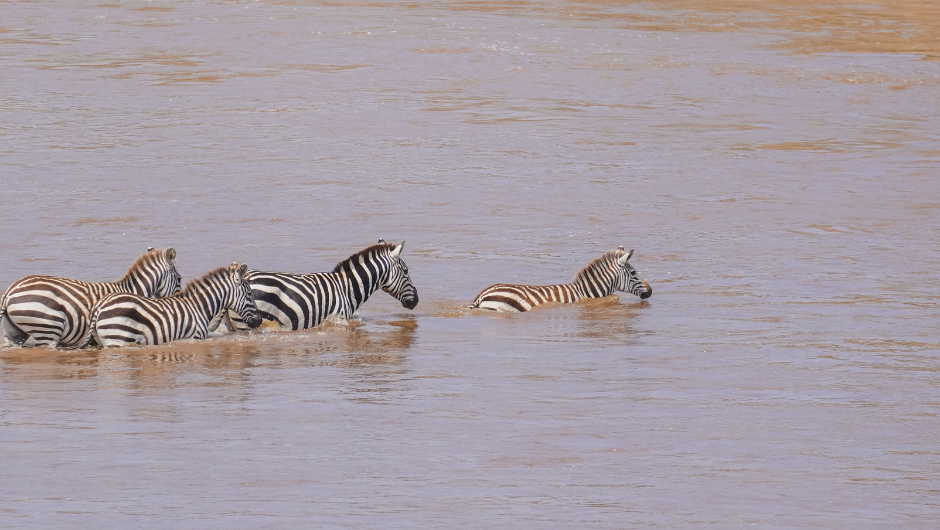
The Masai Mara hosts the migration from roughly July through to October, and this is where the crossing footage most people picture when they think of the migration comes from — herds building up courage at the water's edge before surging across the Mara River, with crocodiles and steep, muddy banks both very real hazards for the animals. Crossings are not scheduled and can happen at any time of day, so this period rewards travellers who can dedicate several full days to game drives rather than a single quick visit.
Choosing Serengeti vs Masai Mara
For calving season, the Serengeti (specifically the Ndutu area) is the only choice. For river crossings, both the northern Serengeti and the Masai Mara offer opportunities during peak season (August–September), and many well-connected properties on both sides allow guides to cross between them depending on where the herds currently are. The Mara tends to have a higher density of camps and can feel busier at popular crossing points; the northern Serengeti's Kogatende area offers a similar experience with fewer vehicles.
● Choose the Serengeti if: you want calving season, a larger and less crowded park overall, or a longer multi-region Tanzania safari
● Choose the Masai Mara if: you have limited time (Nairobi to the Mara is a short flight), want the classic river-crossing experience, or are combining with a Kenyan coast extension
Best Camps & When to Book
Peak migration season (July to October) is also peak safari season across East Africa generally, and the best camps in both the Mara and northern Serengeti sell out nine to twelve months ahead. Many operators run seasonal mobile camps that relocate to follow the herds — these tend to offer some of the closest access to the action and are worth prioritising over fixed camps if your dates align with peak crossing months.
Sample Itinerary: 9 Days — Serengeti & Masai Mara Migration Safari
Day 1: Arrive Kilimanjaro International Airport, transfer to the Serengeti (region depends on season).
Day 2–4: Game drives in the Serengeti, following the herds according to the time of year, with a full day at Ngorongoro Crater as an optional add-on.
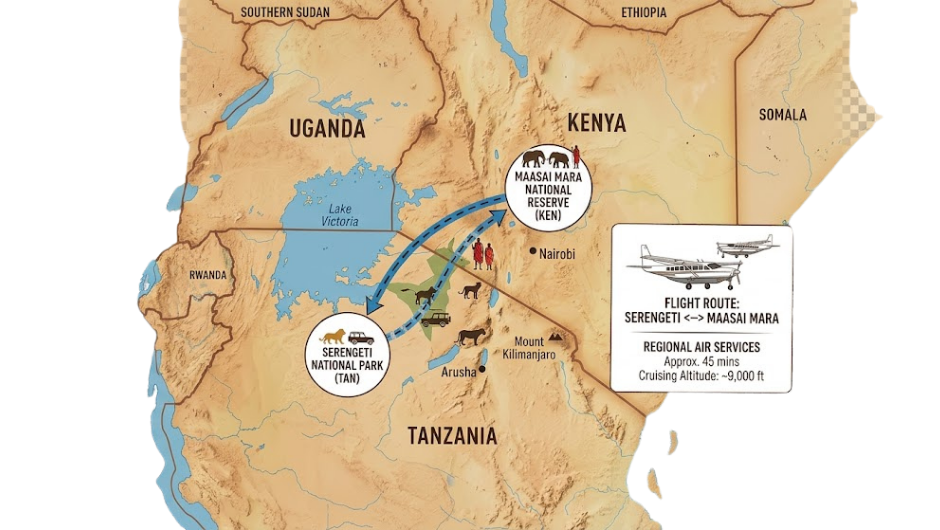
Day 5: Fly from the Serengeti to the Masai Mara (a short scheduled flight crosses the border directly).
Day 6–8: Game drives in the Masai Mara focused on river crossings, with a full-day option to visit a Maasai village for cultural context.
Day 9: Fly to Nairobi and connect for the international departure home, or extend with a Giraffe Manor stay.
Getting There from Australia
For the Serengeti, most itineraries connect through Doha or Addis Ababa to Kilimanjaro International Airport, followed by a light-aircraft transfer to a bush airstrip near your camp. For the Masai Mara, the routing typically runs via Doha, Dubai or Singapore to Nairobi, followed by a short 45-minute scheduled flight to one of the Mara's several airstrips. Total travel time from Australia is generally 22–28 hours door to door including connections.
The flight between the Serengeti and the Masai Mara crosses the Tanzania-Kenya border directly and is operated by a small number of regional carriers on a scheduled basis — this should be booked as part of your overall itinerary rather than arranged independently, since seasonal frequency can be limited.
Where to Stay: Top Camps by Region
● Ndutu area (Serengeti, calving season): camps here sit outside the strict national park boundary, allowing night drives and off-road driving unavailable elsewhere in the ecosystem
● Northern Serengeti / Kogatende: the quieter alternative to the Mara for river crossing season, with fewer vehicles at sightings
● Masai Mara: the highest density of camps and the most reliable crossing access, ranging from classic tented camps to ultra-luxury private conservancies bordering the main reserve
Photography & Gear Tips for the Migration
A telephoto zoom in the 100–400mm range is the single most useful lens for migration photography, covering everything from wide herd shots to tight predator-prey action. Dust is a serious concern in the dry season, so a rain cover or dry bag for equipment, and a rocket blower for cleaning lenses in the field, are worth packing. Because river crossings can happen suddenly and last only minutes, keeping a camera set to a fast shutter speed and ready to shoot at all times during a stakeout pays off far more often than trying to adjust settings once the action starts.
What to Pack for a Migration Safari
● Neutral-coloured clothing (khaki, olive, brown) to avoid standing out against the bush
● A wide-brimmed hat and high-SPF sunscreen — open plains offer little shade during game drives
● Warm layers for early morning drives, which start before dawn and can be genuinely cold, even though days warm quickly
● Binoculars — ideally one pair per person rather than sharing, since sightings can be brief
● A dust-proof bag or case for cameras and electronics during the dry season
A Quick Reference: Migration Location by Month
● January–March: Southern Serengeti (Ndutu) — calving season
● April–May: Central Serengeti — herds moving north
● June: Western Serengeti (Grumeti River)
● July–October: Northern Serengeti and Masai Mara — river crossings
● November–December: Southern Serengeti — herds returning for calving
The Predators of the Migration
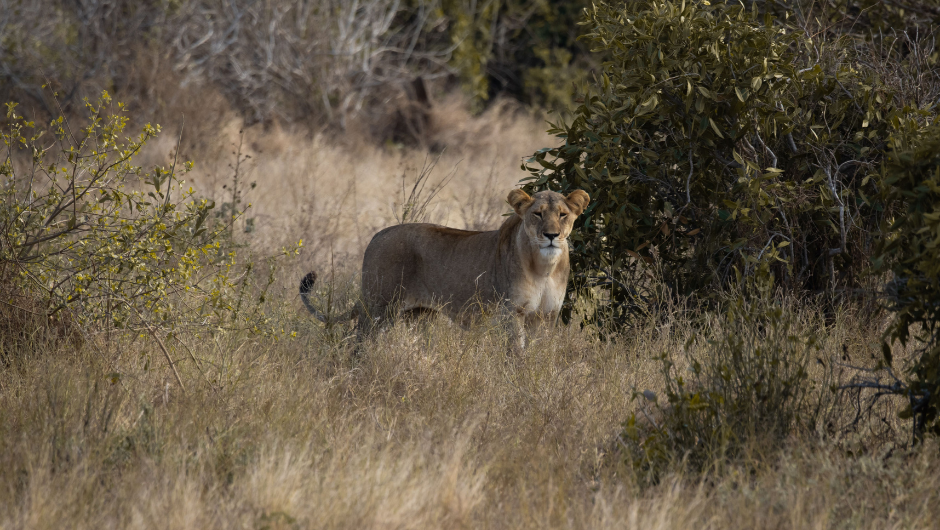
The migration doesn't just draw wildebeest and zebra — it draws every major predator in the ecosystem, and this predator activity is often what makes a migration safari feel different from a standard Big Five safari. Nile crocodiles, some exceeding five metres, position themselves at established crossing points and can take down several wildebeest in a single crossing. Lion prides and hyena clans shadow the herds' movement, timing hunts around calving season and river crossing chaos, while cheetah take advantage of the open plains for high-speed pursuits of gazelle that split off from the main herd. Guides in both the Serengeti and Mara track these predator movements closely, often predicting where a crossing or hunt is likely based on where prides and crocodile activity have been concentrated in preceding days.
Understanding Mobile Camps
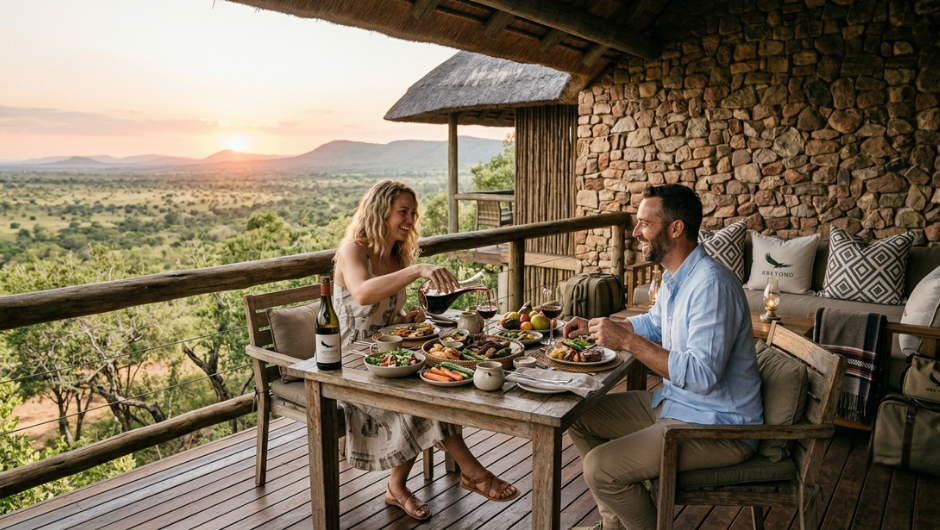
A distinct feature of migration safaris is the mobile tented camp, a small operation (often six to ten tents) that physically relocates two or three times a year to stay positioned near wherever the herds currently are. These camps trade permanent infrastructure for genuine proximity to the action and typically offer a more intimate, back-to-basics safari experience than fixed lodges, with communal dining around a campfire and simpler but comfortable en-suite canvas tents. For clients specifically chasing the migration rather than a broader safari experience, a mobile camp booked for the right weeks of the year is often the single best-value way to be exactly where the action is.
Beyond the Migration: Other Wildlife to Expect
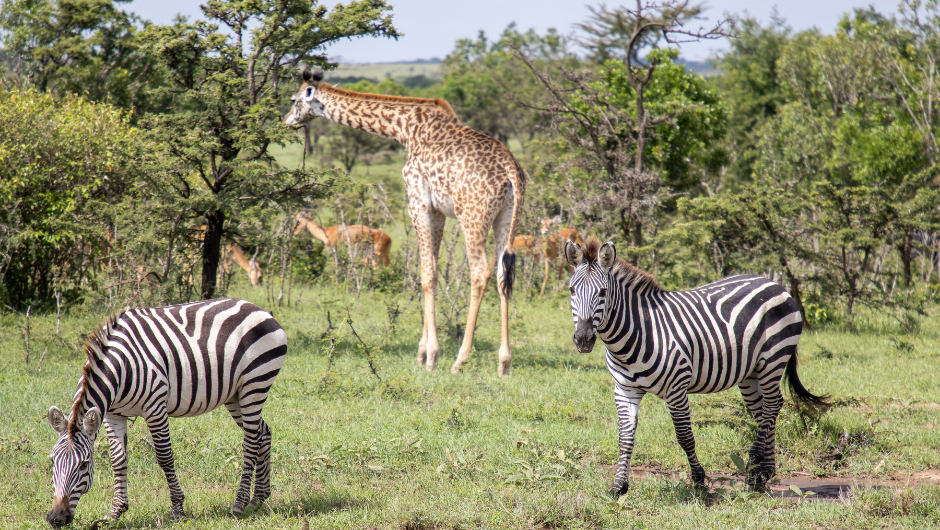
While the migration itself draws most travellers, both the Serengeti and Masai Mara hold healthy resident populations of lion, leopard, elephant, buffalo and rhino year-round, meaning a migration-timed safari still delivers excellent general game viewing even outside the exact days a crossing occurs. The Mara Triangle in particular is known for reliable big cat sightings, with several well-documented lion prides that guides track closely across seasons.
Why Plan This Trip With Travellers Lounge
Timing the migration correctly is the whole game, and the herds don't follow a fixed calendar — this is exactly the kind of trip where local knowledge and current-season updates make a real difference. At Travellers Lounge, we track where the herds are moving each season, we know which camps genuinely offer the best access at the right time of year, and we handle the cross-border flight between the Serengeti and the Mara so you don't have to. Get in touch and we'll help you plan a migration safari timed for what you most want to see.
Frequently Asked Questions
What is the single best month to see a river crossing?
August and September offer the most reliable window for Mara River crossings, though nothing is guaranteed — the herds move on their own schedule and a crossing can happen on any given day or not at all during a stay.
Is the migration suitable for children?
Yes, though river crossing scenes can be intense (crocodile predation is common), and most camps set a minimum age of six to twelve for game drives. Family-friendly camps with private vehicles are worth requesting for travelling with younger children.
How many nights should I allow to see a crossing?
We recommend a minimum of three to four nights during peak season, ideally split across two properties on different rivers or crossing points, to maximise the chance of witnessing a crossing during your stay.
Can I combine a migration safari with Zanzibar or a beach extension?
Yes — flying from the Serengeti or the Mara to Zanzibar or the Kenyan coast is a very common and easy add-on for clients wanting a few relaxed beach days after a safari.
Is a migration safari suitable as a first-time Africa trip?
Yes — the Serengeti and Masai Mara are among the most established and well-run safari regions on the continent, with excellent infrastructure, experienced guiding, and a very wide range of camp styles and price points, making it a strong choice for both first-time and repeat safari travellers.
Author, Michelle

Travel designer, storyteller, and lifelong explorer.
Michelle believes the best journeys are those that breathe — where adventure meets stillness, and moments of pause turn into lifelong memories.