Victoria Falls sits on the border between Zambia and Zimbabwe, and one of the first questions we're asked when booking this leg of an Africa itinerary is simple: which side should you actually stay on? The honest answer is that most travellers benefit from seeing both, since each side offers a genuinely different view and different activities — but if you only have time for one, the choice comes down to what you want out of the visit.
Zambia Side vs Zimbabwe Side
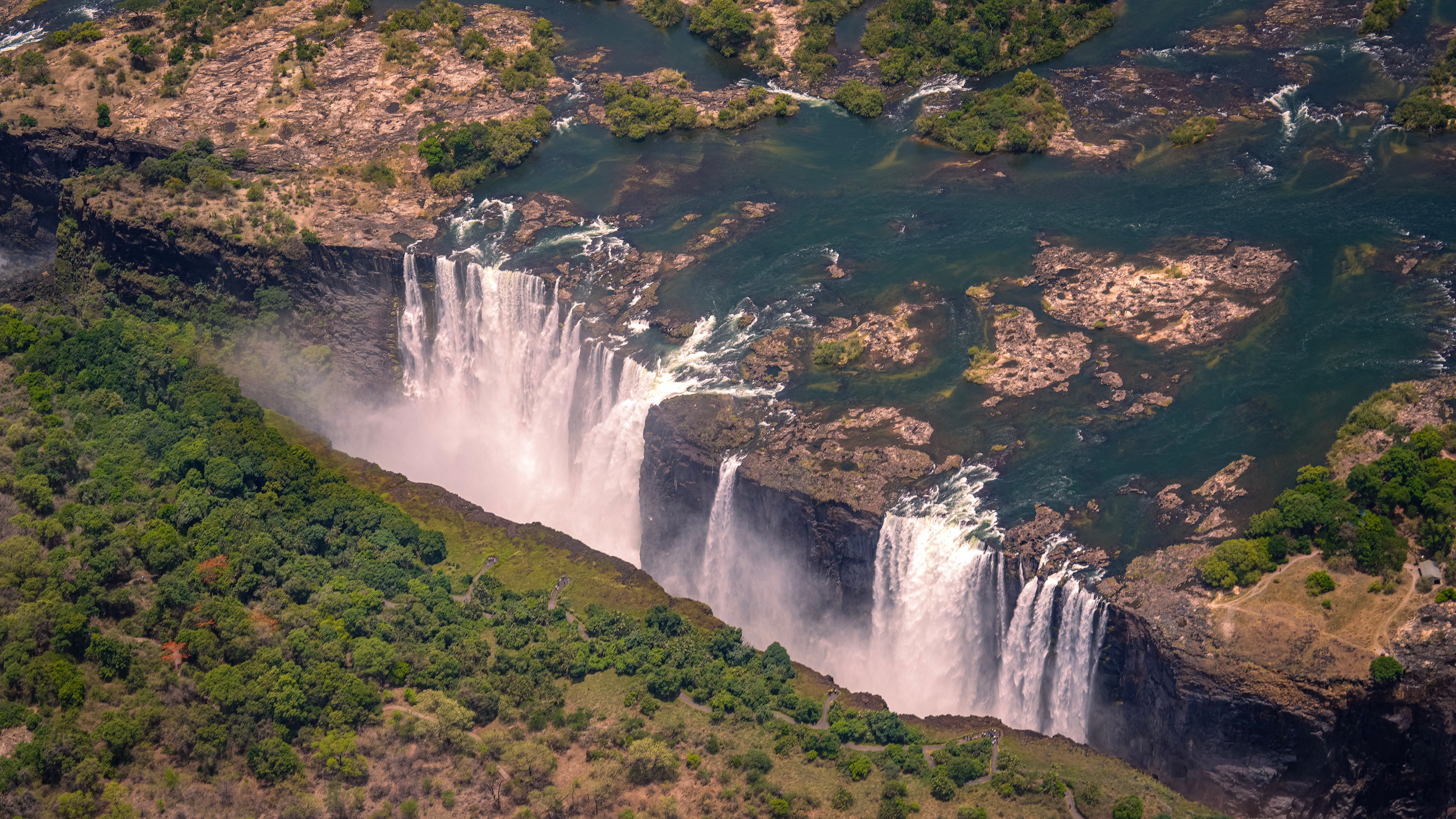
Zimbabwe: Offers the more dramatic, front-on view of the falls and around 75% of the total viewing area, making it the better choice for photography and for simply taking in the scale of the falls. The town of Victoria Falls has a well-developed tourism infrastructure, curio markets, and easy access to activities.
Zambia: Gives a closer, wetter, more intimate view — you can walk right along the edge of the gorge, and during the drier months (roughly August to December) it's the only side offering access to Devil's Pool, the natural rock pool perched right on the lip of the falls. Livingstone town, on the Zambian side, has a more relaxed, less commercial feel.
It is straightforward to cross between the two — a day visa is available at the border specifically for sightseeing, and many hotels arrange this crossing as part of a half-day tour.
Understanding the Falls: A Quick Primer
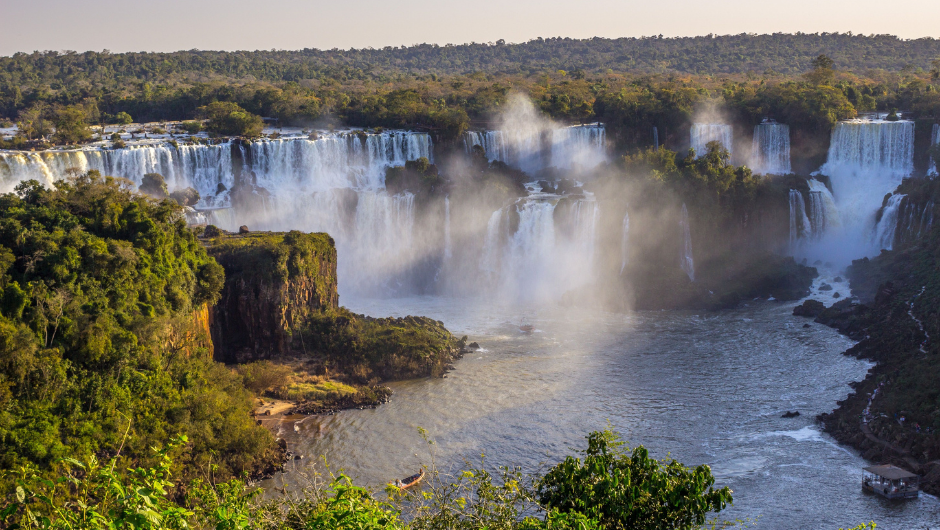
Victoria Falls, known locally as Mosi-oa-Tunya ('The Smoke That Thunders'), is neither the tallest nor the widest waterfall in the world, but the combination of height (108m) and width (1,708m) makes it the largest single sheet of falling water on earth, and a UNESCO World Heritage Site. The Zambezi River, which feeds the falls, drains a catchment spanning six countries, which is why the volume of water changes so dramatically between wet and dry seasons.
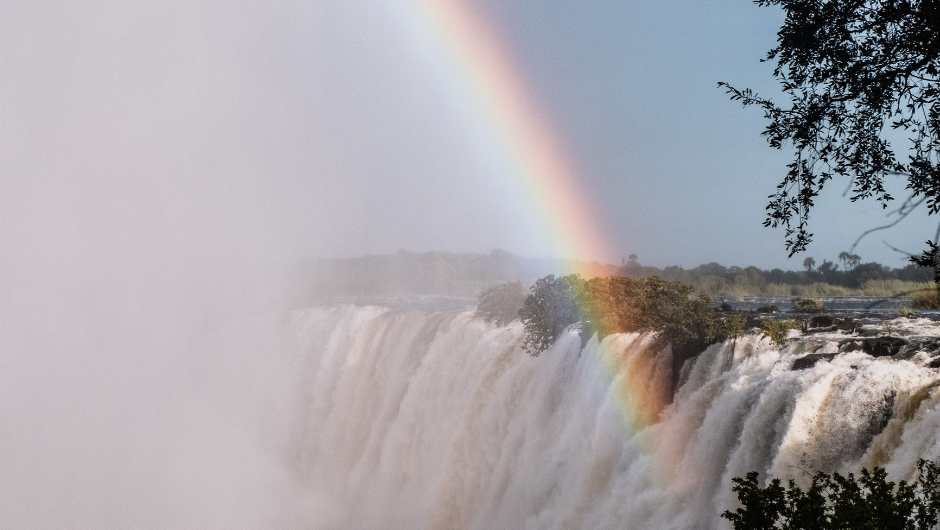
At peak flood, typically April to May, the falls can generate a spray plume visible up to 20km away and audible many kilometres before you arrive, which is precisely how the falls earned their local name long before any written record of them existed.
Top Activities at Victoria Falls
● Devil's Pool (Zambia side, roughly August–December when water levels are low enough for safe access)
● Helicopter 'Flight of Angels' over the falls — available from both sides, best value and views typically from the Zimbabwe side
● Sunset cruise on the Zambezi River above the falls, with wildlife along the riverbanks
● White-water rafting in the Batoka Gorge below the falls (seasonal, generally best from roughly August to January)
● Bridge activities — bungee jumping, gorge swing and zip-line across the Victoria Falls Bridge spanning both countries
● Guided walking tour of the rainforest trail directly opposite the falls, where the constant spray sustains a unique microclimate of rainforest vegetation
Where to Stay
The Royal Livingstone (Zambia): The only hotel with grounds that run directly to the edge of the falls — you can hear the roar of the water from your room, and zebra regularly wander the lawns.
Victoria Falls Hotel (Zimbabwe): A grand colonial-era property dating to 1904, with sweeping views of the Victoria Falls Bridge from its terrace and a strong sense of old-world occasion.
Matetsi Victoria Falls (Zimbabwe): For travellers wanting a private, more bush-immersed stay away from the town, roughly 40 minutes from the falls with its own game viewing.
Combining Victoria Falls With a Safari
Victoria Falls works naturally as a two- to three-night bookend to a broader Southern African safari — either as an opening few days before flying into Botswana's Okavango Delta or a private South African reserve, or as a relaxed final stop before heading home. Direct charter flights connect Victoria Falls to several Botswana and Zambia safari areas, keeping transfer times manageable.
Sample Itinerary: 7 Days — Victoria Falls & Chobe/Botswana Safari
Day 1–3: Arrive Victoria Falls (Zambia or Zimbabwe side). Full-day falls exploration, sunset Zambezi cruise, and a day-visa crossing to see the opposite side.
Day 4: Optional white-water rafting or helicopter flight over the falls before transferring by road (roughly 1.5 hours) to Chobe National Park, Botswana.
Day 5–6: Game drives and river cruises in Chobe, renowned for its enormous elephant herds along the Chobe River.
Day 7: Fly from Kasane to Johannesburg or Maun to connect for the international departure home, or continue on to the Okavango Delta.
Getting There from Australia
Victoria Falls Airport (Zimbabwe) and Harry Mwanga Nkumbula International Airport in Livingstone (Zambia) both receive regional flights, most commonly connecting through Johannesburg. From Australia, the typical routing runs Perth, Sydney or Melbourne to Johannesburg (via a Middle Eastern or Asian hub), followed by a two-hour regional flight to either airport, bringing total travel time to roughly 24–28 hours door to door.
Both airports are a short 10–20 minute transfer from the falls themselves, and most hotels include airport transfers as part of the stay.
If crossing between the Zambian and Zimbabwean sides during your stay, note that the day-tripper visa is only valid for sightseeing at the falls and does not permit onward domestic travel within the country you're visiting — worth flagging if your plans include a game drive or activity booked on the opposite side rather than a straightforward return crossing the same day.
Local Culture & Markets
Both Victoria Falls town (Zimbabwe) and Livingstone (Zambia) have well-established curio markets selling wood carvings, textiles and jewellery, and bargaining is expected and part of the local custom. The Livingstone Museum, Zambia's oldest and largest museum, offers useful context on the region's history and the explorer David Livingstone, after whom the town is named. Cultural village visits and traditional dance performances are widely available through most hotels for travellers wanting a deeper look at Tonga and Ndebele heritage in the region.
What to Pack for Victoria Falls
● A waterproof poncho or light rain jacket — the spray from the falls (locally called 'the smoke') soaks visitors year-round on the walking trails
● A dry bag or waterproof case for cameras and phones on the Zimbabwe rainforest walk
● Comfortable walking shoes with good grip — trails and viewpoints can be slippery from constant mist
● Swimwear for Devil's Pool or hotel pools overlooking the river
● A light jacket for early morning game drives if combining with Chobe or another safari extension
Quick Reference: Zambia vs Zimbabwe
● Best overall view: Zimbabwe
● Devil's Pool access: Zambia only (roughly Aug–Dec)
● More developed town infrastructure: Zimbabwe
● Quieter, more relaxed base: Zambia
● Best for combining with Chobe/Botswana: either side, similar drive times
Wildlife Around the Falls
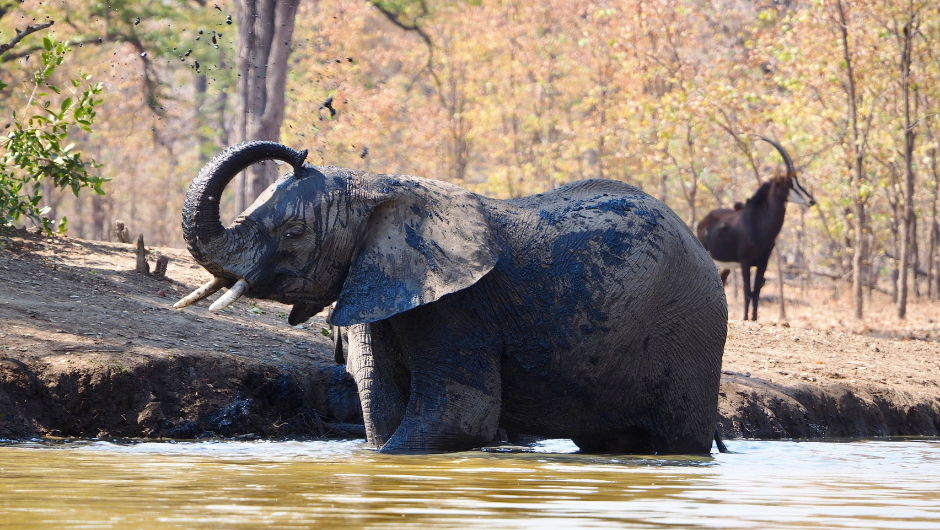
Beyond the falls themselves, the surrounding Zambezi National Park (Zimbabwe) and Mosi-oa-Tunya National Park (Zambia) hold healthy populations of elephant, buffalo, giraffe and antelope species, easily explored via a half-day game drive from either side. The Zambezi River above the falls also supports a significant hippo and crocodile population, visible on the sunset river cruise, and the surrounding riverine forest is excellent for birdlife, including African fish eagles that are frequently seen and heard along the gorge. Many clients are pleasantly surprised at how much wildlife viewing is available within a short drive of the falls themselves, without needing to travel to a dedicated safari region.
A Brief History of Victoria Falls
The falls have been known to local Kololo and Tokaleya communities for centuries under the name Mosi-oa-Tunya. Scottish missionary and explorer David Livingstone became the first European to document the falls in 1855, naming them after Queen Victoria, and his account of 'scenes so lovely must have been gazed upon by angels in their flight' gave rise to the helicopter tour still marketed today as the 'Flight of Angels.' The Victoria Falls Bridge, completed in 1905 as part of Cecil Rhodes's ambitious Cape-to-Cairo railway vision, remains a working rail and road crossing between the two countries and is itself a well-preserved piece of colonial-era engineering history.
Adventure Activities in Detail
For travellers seeking more adrenaline, the Victoria Falls Bridge — spanning the gorge directly between Zambia and Zimbabwe — hosts a 111m bungee jump, a gorge swing, and a zip-line, all bookable through operators on either side. White-water rafting through the Batoka Gorge below the falls runs a series of Grade 3–5 rapids and is considered one of the best single-day commercial rafting experiences in the world, though water levels (and therefore rapid difficulty and availability) vary significantly by season, generally running strongest from August through January.
Why Plan This Trip With Travellers Lounge
Deciding between the Zambia and Zimbabwe sides, working out visas, and linking the falls smoothly to a Chobe or Okavango extension is easier with someone who's mapped the route before. At Travellers Lounge, we're happy to talk through which side suits you best, sort the KAZA Univisa details, and build the transfers and flights around the rest of your Africa itinerary. We're here to help however much or little planning support you need.
Frequently Asked Questions
Which side has the better view — Zambia or Zimbabwe?
Zimbabwe offers the broader, more panoramic view and is generally considered better for photography, while Zambia offers closer, more intimate access including Devil's Pool during the dry season. Many travellers visit both via a day crossing.
What is the best time of year to visit Victoria Falls?
For the most dramatic volume of water, visit March to May. For activities like Devil's Pool and a clearer view of the rock face beneath the spray, August to December (the dry season) is better, though the falls themselves are less voluminous.
Do Australians need a visa for Zambia or Zimbabwe?
Yes, both countries require a visa for Australian passport holders, available on arrival or online in advance. A KAZA Univisa is also available, covering both Zambia and Zimbabwe (plus day trips into Botswana) under a single visa fee, which is usually the more convenient option if visiting both sides of the falls.
Is Victoria Falls easy to combine with an Okavango Delta or Chobe safari?
Very easy — Kasane and Chobe are only around 1.5 hours by road from Victoria Falls, and onward light-aircraft flights connect efficiently to Maun for the Okavango Delta, making this one of the most natural Southern African routings we book.
How many nights are enough at Victoria Falls itself?
Two to three nights is generally sufficient to see both sides of the falls, take a sunset cruise, and fit in one or two adventure activities, without leaving the rest of your trip feeling squeezed.
Author, Michelle

Travel designer, storyteller, and lifelong explorer.
Michelle believes the best journeys are those that breathe — where adventure meets stillness, and moments of pause turn into lifelong memories.