
Canada & Alaska FAQ: Your Top Questions Answered by a Specialist Who's Been There
Over the years, I've had thousands of conversations with Australian travellers about Canada and Alaska. The same questions come up again and again — and they're great questions. So I've pulled together the most common ones I hear from clients and answered them honestly, from my own experience on the ground.
I'm Michelle Bandura from Travellers Lounge. I've travelled through Canada and Alaska multiple times, cruised Alaska on several different ships, ridden the Rocky Mountaineer, and stood on the tundra watching polar bears in Churchill. These answers come from someone who has actually been there — not from a brochure.
If your question isn't here, feel free to reach out directly. I genuinely love talking about this destination.
Planning & Logistics
Q: Do Australians need a visa to visit Canada or Alaska?

For Canada, Australian passport holders do not need a traditional visa — but you do need an eTA (Electronic Travel Authorisation), which is a quick online application costing around CAD $7. It takes minutes to apply and is usually approved within hours. For Alaska, you'll need a US visa or ESTA (Electronic System for Travel Authorisation) if travelling by air, which is straightforward for most Australian passport holders. If you're cruising into Alaska from Canada, your cruise line will advise on entry requirements, which can differ slightly. I always walk my clients through all visa and entry requirements as part of the planning process — nothing gets missed.
From there, you'd connect domestically to Whitehorse (Yukon), Calgary (for Banff), or Seattle (for Alaska cruises). I always recommend building in a night in Vancouver on arrival to reset before your adventure begins — it's a wonderful city and you'll land feeling fresh rather than rushing straight onto the next leg.
Q: How many days do I need for Canada and Alaska?
Honestly? As many as you can give it. That said, here's what I recommend as a minimum for different itineraries. For Alaska cruise only (departing Vancouver or Seattle): 10 to 14 days including travel. For Rocky Mountaineer plus Banff and Vancouver: 10 to 12 days. For the full Canada and Alaska combination — Rocky Mountaineer, Banff, Alaska cruise, and a couple of extra destinations: 18 to 24 days. For adding Churchill polar bears: a dedicated 4 to 5 days minimum, ideally built into a broader Canada itinerary. The single biggest regret I hear from clients who've done this trip is that they didn't allow more time. If you're flying from Australia, give yourself the days to do it properly.
Q: What is the best time of year to visit Canada and Alaska from Australia?
It depends what you're after — and this is genuinely one of the best things about this destination, because every season offers something different. For Alaska cruising and the Rocky Mountaineer: May through September, with June to August being peak season for wildlife, glacier access, and long days. For autumn colours in the Canadian Rockies: mid-September to mid-October is breathtaking, with fewer crowds. For Northern Lights and winter wilderness: November through March, particularly in the Yukon and Churchill. For polar bears in Churchill specifically: late October to mid-November — this window is non-negotiable. For beluga whales in Churchill: July and August. My personal favourite window for a combined Canada and Alaska trip is September — the light is extraordinary, the crowds have thinned, and the landscapes are at their most dramatic.
Q: How far in advance should I book?
Earlier than you think. For peak season Alaska cruises (June to August), I recommend booking 12 to 18 months in advance if you want the best cabin selection on luxury lines like Regent Seven Seas or Crystal Cruises. Glacier-facing cabins and premium suites go first — and by the time most people start thinking about booking, the rooms they actually wanted are already gone. For the Rocky Mountaineer GoldLeaf carriages (the domed glass ceiling service): again, many months ahead for peak season. For the Tundra Buggy Lodge in Churchill for polar bear season: a full year or more in advance. It books out extraordinarily quickly. Early booking also typically means better pricing — most luxury lines offer early booking promotions with significant savings or complimentary upgrades.
The Rocky Mountaineer
Q: Is the Rocky Mountaineer worth the cost?
Without question — yes. I have ridden it multiple times and I recommend it to every single client considering Canada. It is not simply a train ride. It is a full-day journey through some of the most spectacular scenery on Earth, where the train itself is the experience. It runs by day only so you never miss a moment of scenery, the food and service are exceptional, and the glass-ceiling GoldLeaf carriages give you an unobstructed view of everything above and around you. Many clients tell me it's the highlight of their entire trip. The cost is significant, but when you factor in meals, service, and the experience itself, it represents genuine value.
Q: What is the difference between GoldLeaf and SilverLeaf on the Rocky Mountaineer?
GoldLeaf is the premium service, featuring a bi-level dome carriage with panoramic glass ceilings and floor-to-ceiling windows on both levels. Meals are served in a dedicated dining room on the lower level, and the food quality is excellent. SilverLeaf features large panoramic windows and is a wonderful experience in its own right, at a lower price point. My recommendation for most clients is GoldLeaf — the domed glass ceiling is genuinely transformative and I've never had a client wish they'd downgraded. If budget is a consideration, SilverLeaf is still exceptional. What I'd caution against is trying to do it cheaply — the views are the entire point, and you want the best possible window onto them.
Q: Which Rocky Mountaineer route should I take?
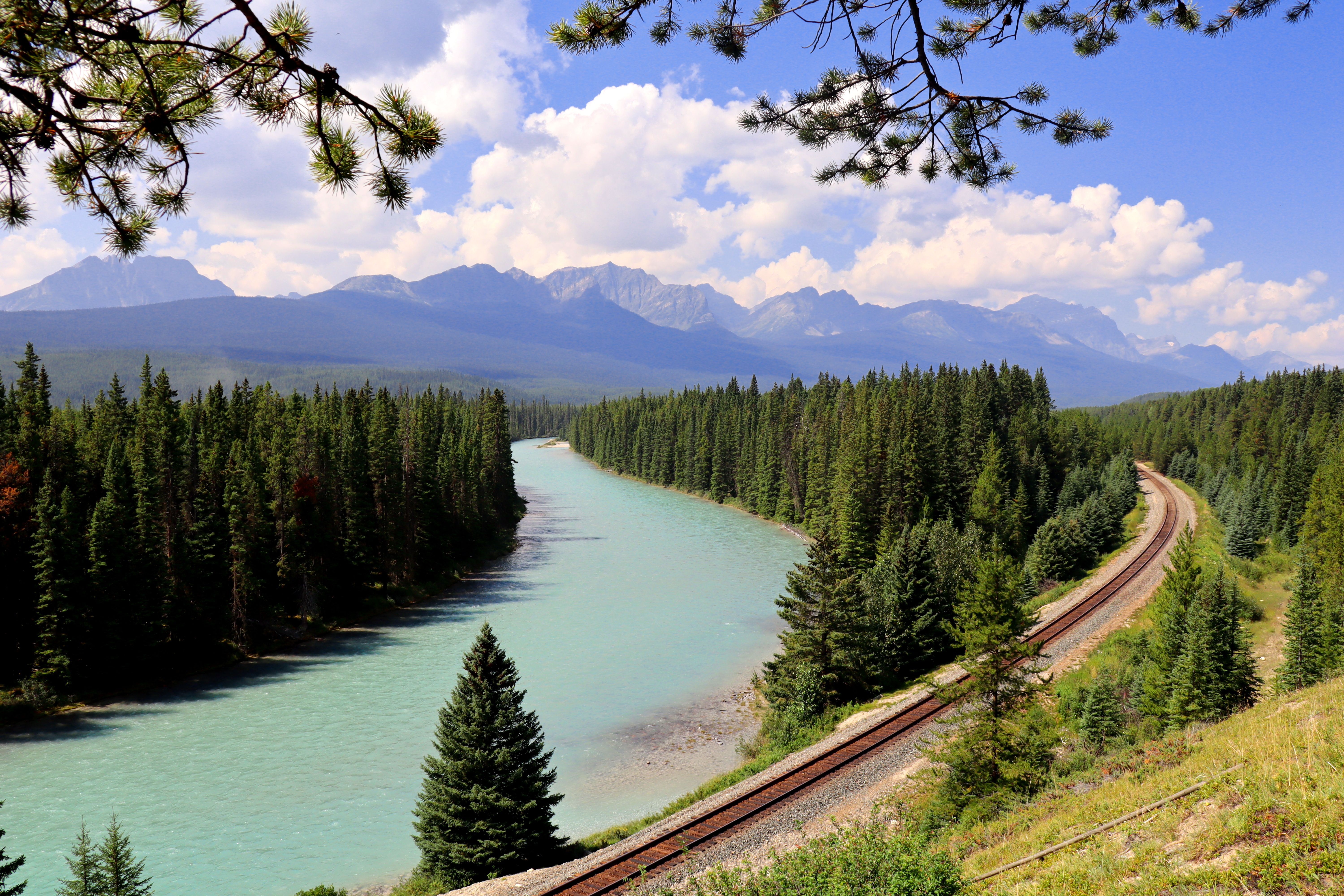
The most popular and most spectacular route is the First Passage to the West, running between Vancouver and Banff (or Kamloops to Banff). This takes two days with an overnight stop in Kamloops, and the scenery through the Fraser Canyon and into the Rockies is extraordinary. The Journey through the Clouds route between Vancouver and Jasper is equally beautiful and slightly less travelled. For clients combining the train with an Alaska cruise, I typically plan the Rocky Mountaineer first — Vancouver to Banff — then fly back to Vancouver to embark, giving you the full arc of both experiences without retracing your steps.
Alaska Cruising
Q: What is the best cruise line for Alaska from Australia?
This depends on what you're looking for — but for most of my clients, I recommend seriously considering Regent Seven Seas or Crystal Cruises. Both are ultra-luxury, fully all-inclusive lines where shore excursions, all dining, all drinks, and gratuities are included. When you factor in what those extras cost on a standard line, the price difference often narrows significantly — and the experience is incomparably better. The smaller ship sizes on these lines also mean you can access remote inlets and bear-watching areas that larger ships simply can't reach. For clients who want something more expedition-focused, there are smaller specialist lines that go to very remote areas of Alaska that the larger ships never see. I match the line to the client — there's no one-size-fits-all answer, which is exactly why a conversation with a specialist is worthwhile.
Q: What is a bears inlet excursion and how do I get access to one?
A bears inlet excursion involves being taken by small tender boat away from the main ship into a secluded, remote inlet where grizzly bears gather to fish for salmon — particularly in late summer when the salmon run is at its peak. You sit in near silence, just metres from the bears, with no barrier between you and the wildlife. It is one of the most extraordinary wildlife encounters on the planet. Access to these excursions is largely determined by which ship you're on — smaller, luxury vessels with intimate tender operations can reach inlets that larger ships cannot. It's one of the strongest arguments I make for choosing a luxury small ship over a large mass-market vessel. I can advise specifically on which itineraries and ships give you the best chance of this experience.
Q: Which side of the ship should I be on for glaciers in Alaska?
This is one of the most valuable questions you can ask — and exactly the kind of detail that gets lost when you book online. On the classic Alaska Inside Passage itinerary sailing northbound from Vancouver or Seattle, glacier viewing is predominantly on the port (left) side of the ship for much of the journey, particularly approaching Glacier Bay. On southbound itineraries, it reverses. The specific answer also depends on your exact itinerary and which glaciers are included. When you book with Travellers Lounge, securing the right cabin on the right side of the ship is one of the very first things I do — because waking up to a glacier view from your private balcony rather than an ocean view is something you'll remember for the rest of your life.
Polar Bears & Churchill
Q: Is Churchill really worth the effort to get to?
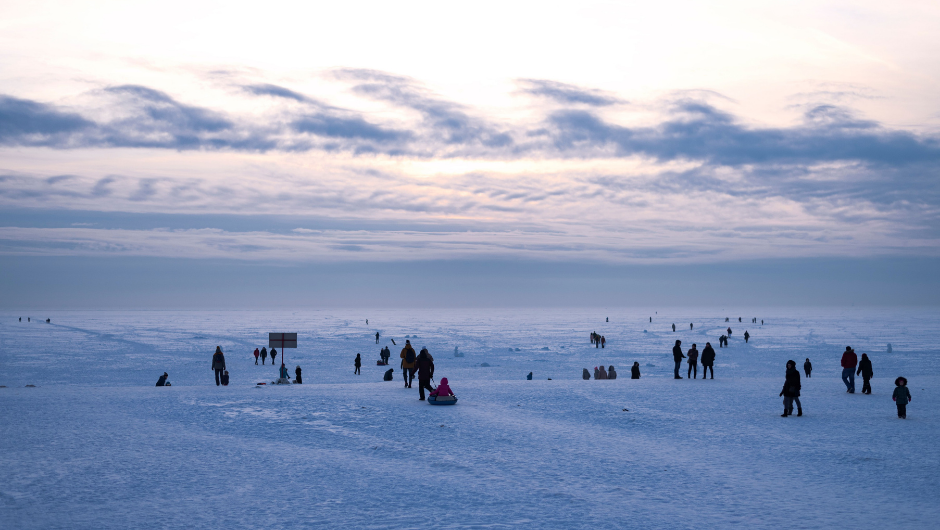
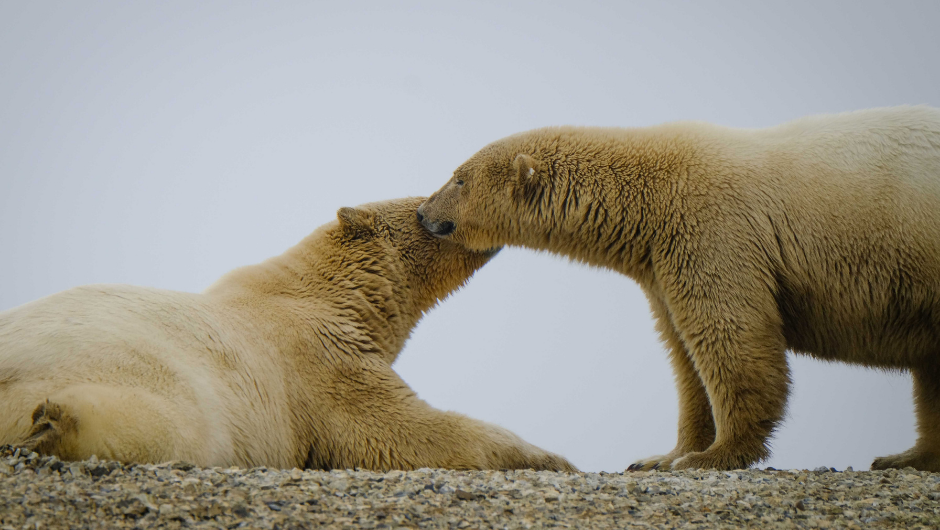
I am asked this regularly, and my answer is always an emphatic yes — with one condition. You need to go during the right window (late October to mid-November for polar bears), and you need to allow the time to do it properly. Churchill has no road access. You fly or take the train from Winnipeg. The journey itself is part of the experience — it signals to your brain that you are going somewhere genuinely remote, somewhere that has not been smoothed over for tourists. And when you arrive and see your first polar bear on the tundra, every hour of travel disappears. It is simply one of the most remarkable wildlife experiences in the world.
Q: What is the Tundra Buggy Lodge and is it worth it?
The Tundra Buggy Lodge is a mobile accommodation facility parked out on the tundra, in polar bear territory. You sleep, eat, and spend your days directly surrounded by the bears — not in a hotel in town, not on a day tour. The distinction matters enormously. At dawn and dusk — when the bears are most active and the light is extraordinary — you are right there, on the platform, watching. Day visitors have left. You are alone with the tundra and the bears. At night, if conditions are right, the Northern Lights can appear overhead. It books out a full year or more in advance. Yes, it is worth every effort to secure a spot.
Q: Can I see polar bears and the Northern Lights on the same trip?
Yes — and Churchill is one of the very best places in the world to do exactly that. Churchill sits directly beneath the auroral oval, which means clear nights from September through to April produce reliable Northern Lights displays. The peak polar bear migration season (late October to mid-November) overlaps beautifully with strong aurora activity, so there is a real chance of watching bears on the tundra by day and lights in the sky by night. It is as close to a once-in-a-lifetime combination as travel gets.
General Travel Questions
Q: Is Canada a safe destination for Australian travellers?
Canada is consistently ranked among the safest countries in the world for international travellers. Australians generally find it very easy to navigate — the culture is familiar, English is the primary language (with French in Quebec), driving is on the right which requires some adjustment, and the infrastructure for tourism is excellent. As with any destination, common sense applies — particularly in remote areas of the Yukon or when wildlife is nearby — but Canada presents no unusual safety concerns for Australian visitors.
Q: Do I need travel insurance for Canada and Alaska?
Absolutely yes — and I cannot stress this enough. Canada has excellent healthcare but it comes at significant cost for foreign visitors. A medical evacuation from a remote area of the Yukon or Alaska can cost tens of thousands of dollars. Comprehensive travel insurance that includes medical coverage, trip cancellation, and emergency evacuation is not optional for a trip of this scale. I always discuss insurance as part of the planning process with every client.
Q: Is it worth using a travel agent for Canada and Alaska, or can I book it myself?
You can absolutely book elements of this trip yourself — but here is what you'd be missing. Knowledge of which cabin on which ship faces the glaciers. Knowing that the Tundra Buggy Lodge books out a year in advance and you'll miss it if you don't plan early. Understanding which Rocky Mountaineer route suits your itinerary. Knowing which shore excursions are genuinely extraordinary versus which ones are filler. Being looked after if flights change, sailings are delayed, or anything goes wrong while you're on the other side of the world. The value of a specialist isn't just in the booking — it's in the decade of accumulated knowledge that shapes every decision in your itinerary. That's what Travellers Lounge brings to your trip.
Still Have Questions?
If your question isn't here, I'd genuinely love to hear from you. Canada and Alaska is a destination I know deeply and care about enormously — and every client conversation starts with me simply listening to what you're dreaming of.
Book a free consultation with me today — we work 7 days a week, around your schedule. There are no obligations and no pressure. Just a genuine conversation about the trip of a lifetime.

👉 Call 03 9589 0866, email hello@travellerslounge.com.au or book a Zoom consultation. The best luxury cruises are worth doing properly. We'll make sure yours is every bit as good as you imagined and then some.