There are two wildlife encounters in Africa that consistently leave Australian travellers speechless — coming face to face with a mountain gorilla in the misty forests of Uganda or Rwanda, and having a Rothschild's giraffe lean its head through your bedroom window at breakfast. The good news is you don't have to choose between them. With the right itinerary, both experiences can sit comfortably within a two-week trip.
This guide covers exactly where to go for each, how to combine them, what to expect physically and logistically, the conservation story behind both species, and a full sample itinerary — the details that matter most when you're planning a trip this far from home.
Mountain Gorillas: A Conservation Success Story
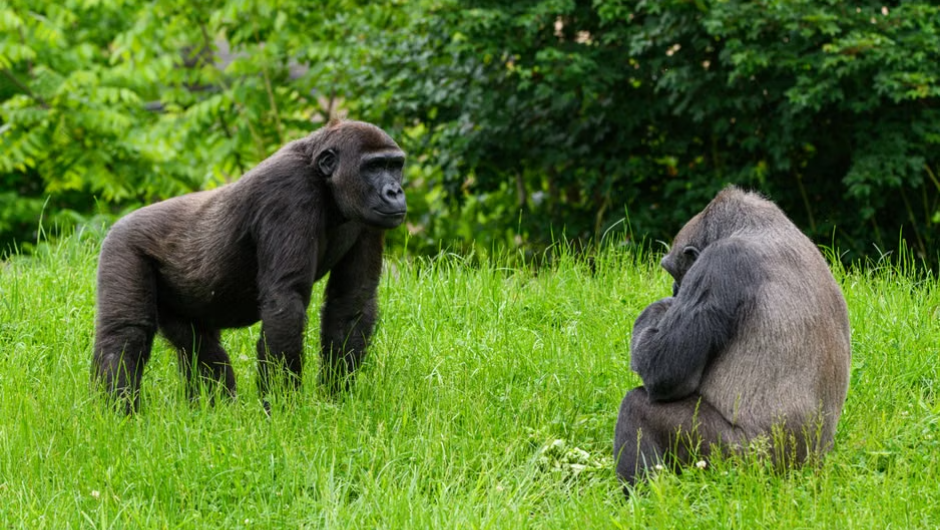
It's worth understanding just how precarious the mountain gorilla's story has been, because it shapes almost everything about how trekking is managed today. In the 1980s, fewer than 250 mountain gorillas remained in the wild, and the species was widely expected to be extinct within decades. Poaching, habitat loss from agriculture, and the region's civil conflicts pushed numbers to a critical low.
Coordinated conservation efforts across Uganda, Rwanda and the Democratic Republic of Congo, combined with a carefully managed, high-value tourism model, have reversed that trajectory. The most recent census puts the wild mountain gorilla population at just over 1,000 individuals, and in 2018 the species was formally reclassified from 'Critically Endangered' to 'Endangered' on the IUCN Red List, one of the few genuine conservation recovery stories among the world's great apes.
This matters for travellers because permit fees directly fund this conservation model: anti-poaching patrols, veterinary monitoring of habituated gorilla families, and revenue-sharing programs with local communities that give surrounding villages a direct economic stake in the gorillas' survival rather than in the land they occupy. When you trek, you are participating in the mechanism that has kept the species alive.
Where to See Mountain Gorillas: Uganda vs Rwanda
Mountain gorillas exist in only three countries on earth — Uganda, Rwanda, and the Democratic Republic of Congo — and of those, Uganda and Rwanda are the two we recommend for Australian clients given accessibility, infrastructure and safety.
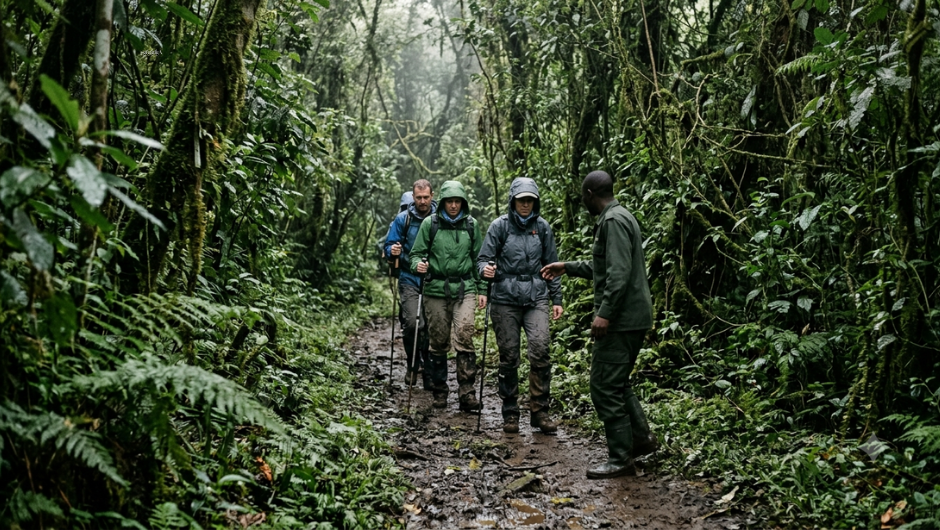
Bwindi Impenetrable National Park, Uganda: Home to roughly half the world's remaining mountain gorilla population, Bwindi offers the widest choice of trekking sectors (Buhoma, Ruhija, Rushaga, Nkuringo), which means more availability and often a quieter trail than Rwanda's single trekking base. The forest itself is ancient — over 25,000 years old — and genuinely dense, with steep, muddy trails through tangled vines that give the park its name.
Volcanoes National Park, Rwanda: Easier logistically — most treks start within two hours of Kigali airport, and the terrain, while still steep, is generally considered slightly less demanding than Bwindi's dense forest. Rwanda's permits cost more (currently around USD 1,500 versus Uganda's USD 800) but the shorter transfer times and Rwanda's polished tourism infrastructure appeal to travellers with limited days or a preference for smoother logistics.
Our general advice: choose Rwanda if your trip is short and you want to minimise road transfer time; choose Uganda if you're combining gorillas with a broader safari circuit (Queen Elizabeth or Murchison Falls National Parks) or want a more budget-conscious permit. Some clients choose to trek in both countries on the same trip for a second, different encounter — this is entirely possible with a short flight or drive between Kigali and southwestern Uganda.
Gorilla Trekking Permits & Best Time to Go
Permits are strictly limited — only eight visitors are allowed per gorilla family, per day — so they should be booked six to twelve months in advance, particularly for July, August and December departures, which coincide with Australian school holidays and the Northern Hemisphere summer.
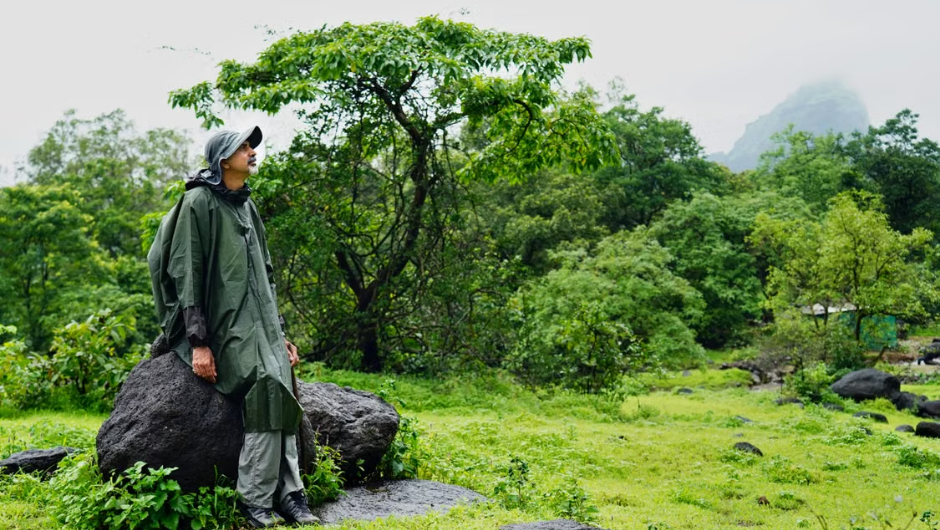
The dry seasons (June to September, and December to February) offer the most comfortable trekking conditions, though gorilla trekking happens year-round and rainforest weather is unpredictable regardless of season — this is a true rainforest, and rain gear is essential no matter when you visit. Treks can last anywhere from 30 minutes to six hours depending on where the gorilla family is feeding that day, followed by a strictly enforced one-hour viewing window once you locate them.
● Minimum age for trekking is 15 (both Uganda and Rwanda)
● A reasonable level of fitness is required — trails are steep, muddy and at altitude (1,400–2,700m)
● Porters are available (and worth hiring, typically USD 15–20 for the day) to carry packs and assist on the steeper sections — hiring one also puts money directly into the local community
● A permit can be rescheduled once with sufficient notice but is otherwise non-refundable, so travel insurance covering trip disruption is worth discussing with the Travellers Lounge team when we book your trip
What to Pack for Gorilla Trekking
Because the terrain is genuinely demanding and the weather unpredictable, packing correctly makes a meaningful difference to how much you enjoy the day.
● Waterproof, ankle-supporting hiking boots, already worn in before the trip
● Gaiters — trails are muddy and sometimes have stinging nettles or safari ants at ground level
● Lightweight, long-sleeved layers in neutral colours, plus a waterproof outer shell
● Gardening-style gloves for gripping vines and branches on steep sections
● A daypack with water, snacks, and a dry bag for your camera
● Insect repellent and a hat
Where to See Giraffes: The Best Regions for Encounters
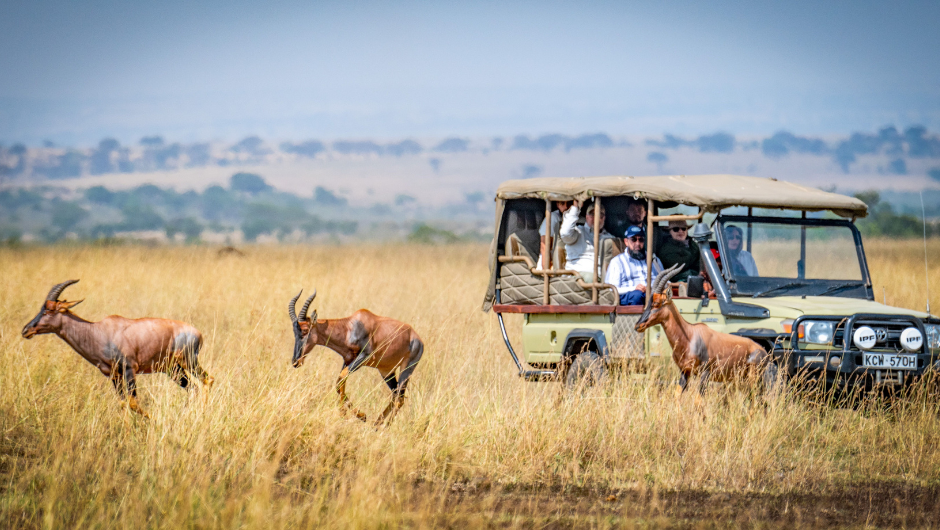
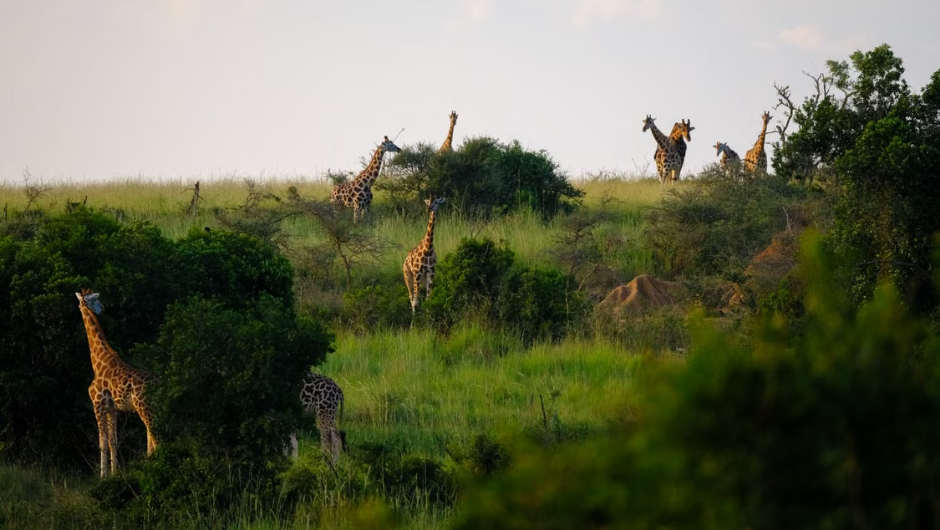
Giraffe encounters are far less regulated than gorilla trekking and can be built into almost any East African itinerary, but a handful of locations stand out for the quality and closeness of the experience.
Giraffe Manor, Nairobi: The single most requested giraffe experience among our clients. This intimate boutique property is home to a small herd of endangered Rothschild's giraffes that wander the grounds freely and regularly poke their heads through the dining room windows at breakfast. Rooms book out many months ahead, and the on-site Giraffe Centre next door supports breeding and conservation education for local schoolchildren.
Lake Nakuru National Park, Kenya: One of the best places to see Rothschild's giraffe in a wild, unfenced setting, alongside significant rhino and flamingo populations on the lake itself, making it an efficient add-on for a broader Kenya safari.
Murchison Falls National Park, Uganda: Home to one of the largest remaining populations of Rothschild's giraffe in the wild, making it a natural add-on for travellers already trekking gorillas in Uganda, alongside excellent boat cruises to the base of the falls themselves.
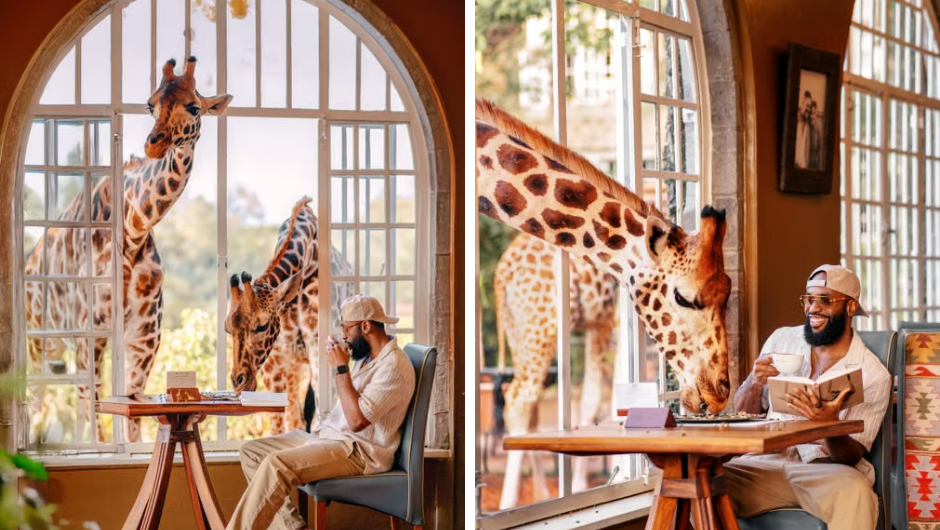
The Rothschild's giraffe, the subspecies found at all three of these locations, is itself endangered, with fewer than 3,000 remaining in the wild, making these encounters conservation-relevant as well as simply extraordinary to witness.
Combining Gorillas & Giraffes in One Itinerary
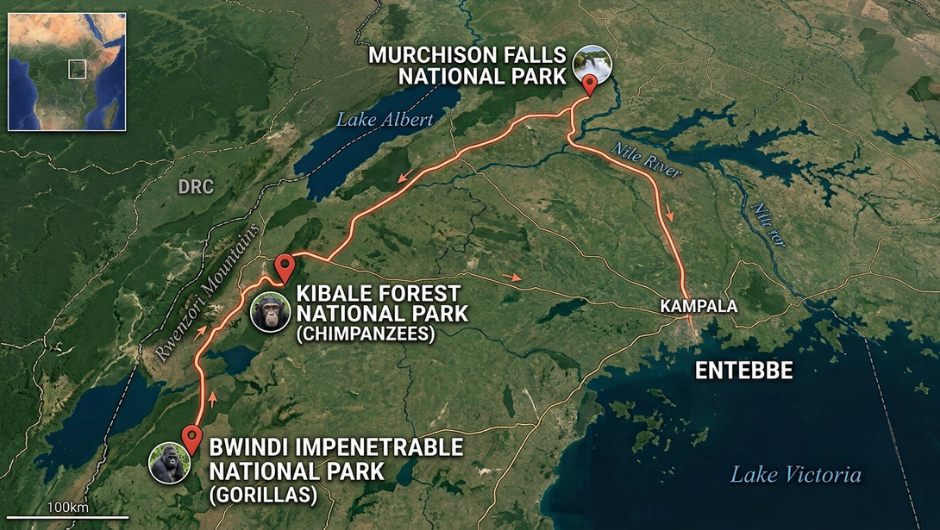
For clients wanting both experiences without excessive backtracking, we typically build a route through Uganda: Entebbe – Murchison Falls (giraffes, boat cruise to the falls) – Kibale Forest (chimpanzee tracking, optional) – Bwindi (gorilla trekking) – back to Entebbe. This keeps road transfers manageable and avoids doubling back across borders.
Alternatively, a Rwanda-Kenya combination — Volcanoes National Park for gorillas, then a short flight to Nairobi and Giraffe Manor — suits travellers with less time who are happy to fly rather than drive between countries.
Sample Itinerary: 10 Days — Uganda Gorillas & Giraffes
This is the itinerary we book most often for clients wanting both mountain gorillas and giraffes within one trip, using Uganda's internal road and light-aircraft network to keep transfers efficient.
Day 1: Arrive Entebbe International Airport. Overnight near the airport or transfer directly to Kampala.
Day 2–3: Fly or drive to Murchison Falls National Park. Game drives for lion, elephant and giraffe, plus a boat cruise on the Nile to the base of the falls.
Day 4–5: Transfer to Kibale Forest National Park. Optional chimpanzee tracking, plus a visit to Bigodi Wetland Sanctuary for birdlife and primates.
Day 6–8: Fly or drive to Bwindi Impenetrable National Park. One full day reserved for gorilla trekking, with a second night allowing flexibility if the trek runs long or a rescheduled permit is needed.
Day 9: Optional cultural visit to a local Batwa community, or a second, gentler forest walk before transferring toward Entebbe or connecting to a Rwanda extension.
Day 10: Depart Entebbe, or connect onward to Kigali/Nairobi for a giraffe or additional gorilla extension.
Health, Visas & Practicalities
Australian passport holders require a visa for both Uganda and Rwanda, available online in advance (Uganda e-visa, Rwanda e-visa) or, in some cases, on arrival. We recommend applying at least four weeks before departure. A yellow fever vaccination certificate is mandatory for entry into both countries, and malaria prophylaxis should be discussed with a travel doctor well ahead of departure, as both countries sit within malaria risk zones.
Because gorilla trekking involves close proximity to a species that shares 98% of human DNA, anyone with a cold, flu or other contagious illness will be asked not to trek that day, since human diseases can be fatal to gorillas. It's worth building a spare day into your itinerary in case a reschedule is needed.
Getting There from Australia
There are no direct flights from Australia to Uganda or Rwanda, so most itineraries route through a Middle Eastern or East African hub. From Perth, Sydney or Melbourne, the most common routings are via Doha (Qatar Airways) or Addis Ababa (Ethiopian Airlines) connecting to Entebbe, Uganda, or via Nairobi (Qantas/Emirates/Qatar) connecting onward to Kigali, Rwanda. Total travel time typically runs 20–26 hours door to door depending on connection times.
Within Uganda, light-aircraft charter flights between parks (Entebbe, Murchison Falls, Kibale and Bwindi's local airstrips) are widely used to cut what would otherwise be 6–8 hour road transfers down to 60–90 minute flights, and are well worth the additional cost on a time-limited itinerary.
Chimpanzee Trekking: A Natural Add-On
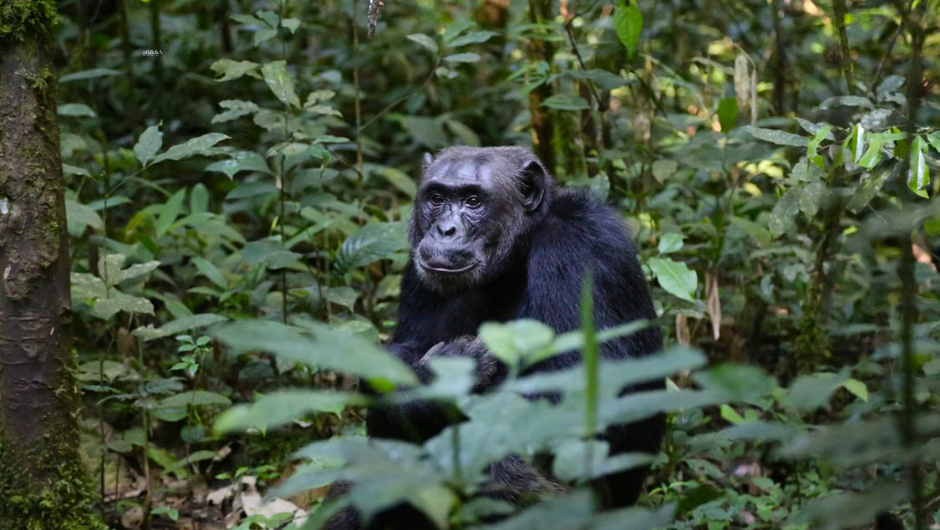
Kibale Forest National Park, roughly a day's drive between Murchison Falls and Bwindi, holds one of the highest densities of primates in Africa and is considered the best chimpanzee trekking destination on the continent. Unlike gorilla trekking, chimp permits are less restrictive on age (12+) and considerably cheaper (around USD 200), and treks are generally shorter and less physically demanding, making this an easy addition to a gorilla-focused itinerary rather than a trip in its own right.
Serious primate enthusiasts can also book the Chimpanzee Habituation Experience, a full-day permit that follows a semi-habituated troop from their nest at dawn through the day, offering considerably more time with the chimps than the standard one-hour trek.
Cultural Experiences: The Batwa Community
The Batwa are the original forest-dwelling inhabitants of the Bwindi and Virunga region, relocated when the national parks were gazetted to protect gorilla habitat in the early 1990s. Several community-run cultural experiences now operate around Bwindi, led by Batwa elders, offering an unvarnished look at traditional forest skills — fire-making, medicinal plant use, hunting techniques and music — with proceeds going directly to the community. We consider this one of the more meaningful cultural add-ons available in the region, and it pairs naturally with a rest day either side of gorilla trekking.
Photography Tips for Gorilla Trekking
Forest light is low and green-toned, so a camera capable of higher ISO performance without excessive noise makes a real difference — this is not an environment where a phone camera alone will do the encounter justice. A single fast zoom lens (roughly 24–105mm equivalent) is more practical than swapping lenses in the field, since gorillas can be anywhere from two to twenty metres away and conditions change quickly. Flash photography is prohibited to avoid startling the gorillas, so image stabilisation and a willingness to shoot at higher ISOs are essential.
Why Plan This Trip With Travellers Lounge
Gorilla and giraffe trips are wonderful, but they're also genuinely complex to piece together yourself — permits thatWildli book out a year ahead, light-aircraft schedules that change seasonally, and two or three countries to coordinate across one itinerary. This is exactly where we come in. At Travellers Lounge, we handle the permit bookings, the internal flights, the right lodge for your pace and budget, and the small but important details, like building in a spare day in case a trek needs to be rescheduled, so you can simply turn up and experience it. We're always just a call or email away if your plans need adjusting along the way.
Frequently Asked Questions
Is gorilla trekking safe for older travellers?
Yes, provided there is a reasonable base level of fitness. Porters can carry packs and offer a supporting arm on steep sections, and trekking pace is set to the group's ability — you can request a less strenuous sector when booking.
Do I need a visa for Uganda or Rwanda?
Australian passport holders require a visa for both countries, available online in advance (Uganda e-visa, Rwanda e-visa) or on arrival in some cases. We recommend applying at least four weeks before departure.
How much does a gorilla trekking trip cost?
Beyond the permit fee, budget for park entry fees, accommodation (which ranges from comfortable lodges to ultra-luxury properties), and either a self-drive or guided vehicle. A fully guided week-long trip including one gorilla permit typically starts from AUD 6,000–8,000 per person, excluding international flights.
What happens if it rains during the trek?
Trekking proceeds regardless of rain — this is a rainforest, and rain is part of the experience. Good waterproof gear is essential, and trails simply become muddier and slightly more slippery rather than closed.
Can I bring children on a gorilla trek?
The minimum age for gorilla permits is 15 in both Uganda and Rwanda, largely due to the physical demands and disease-transmission risk. Younger children can still enjoy giraffe encounters, boat cruises and game drives elsewhere on the same itinerary.
Author, Michelle

Travel designer, storyteller, and lifelong explorer.
Michelle believes the best journeys are those that breathe — where adventure meets stillness, and moments of pause turn into lifelong memories.